
Dyker Heights will have its re-zoning, and eat it too.
A city plan to block over-development in the low-rise neighborhood was approved by the City Council on Wednesday, and community officials heralded the news by cutting into a cake decorated with icing that detailed the new zoning changes.
“The cake is unique because it has the entire zoning map on it,” said Josephine Beckmann, district manager of Community Board 10, which covers part of the downzoned neighborhood. “And it tasted good, too.”
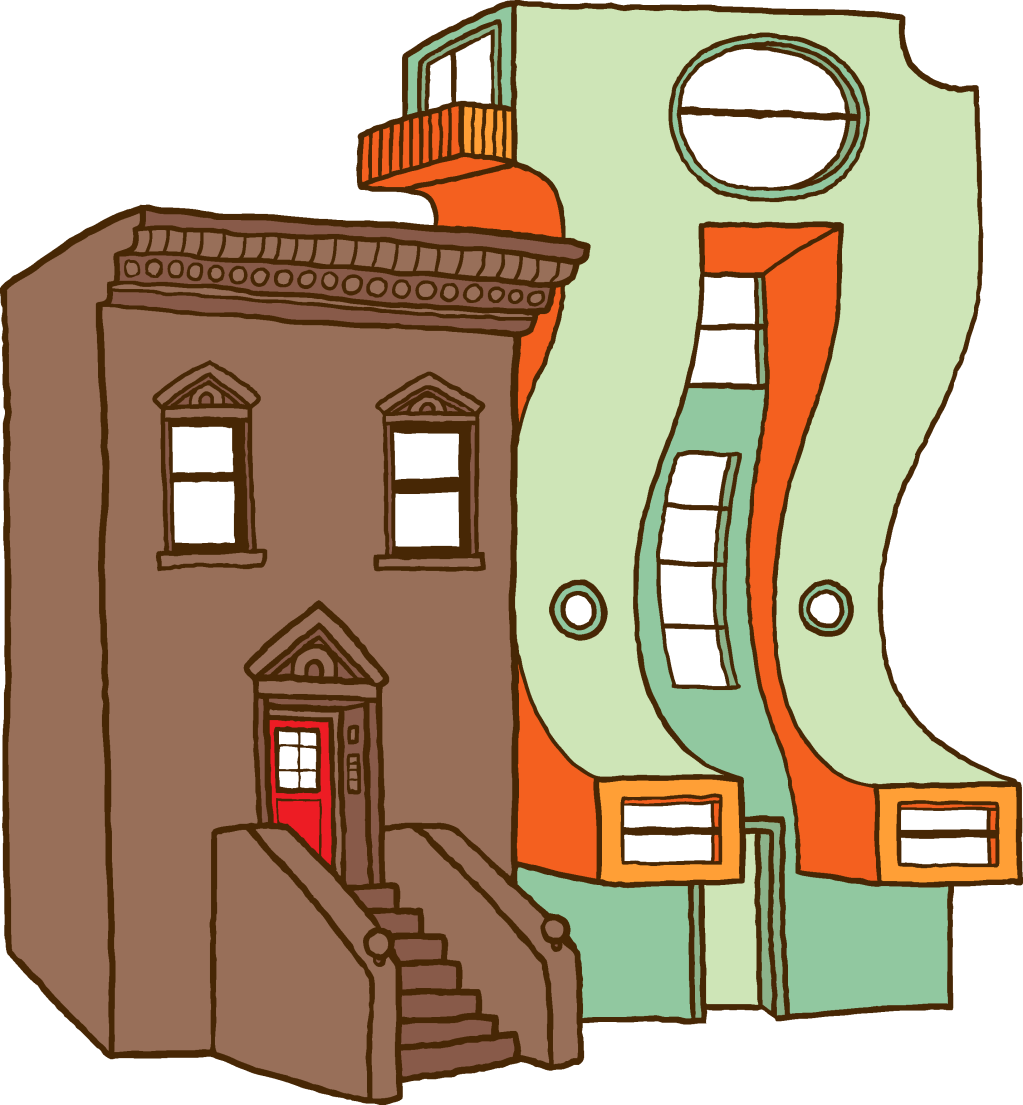
The bill, which is expected to be signed by Mayor Bloomberg given that it was his Department of City Planning that pushed the idea, would bar high-rise development in the 160-odd blocks between 62nd and 86th streets.
“This plan [places] more emphasis on contextual development,” said Councilman Vince Gentile (D–Bay Ridge).
Dyker Heights is just the latest neighborhood to demand that the city protect its character by downzoning. Park Slope, Carroll Gardens and Fort Greene have also completed or are working on similar zoning changes.
Opponents say that downzoning results in less housing — which is critically needed as Brooklyn grows.
Despite this opposition, residents of Bath Beach have begun researching a possible downzone.
Stay tuned.