
With the plans for redeveloping Coney Island mired in conflict among the city, developer Joe Sitt and Boardwalk boosters, the People’s Playground has become an Urban Planner’s Playground.
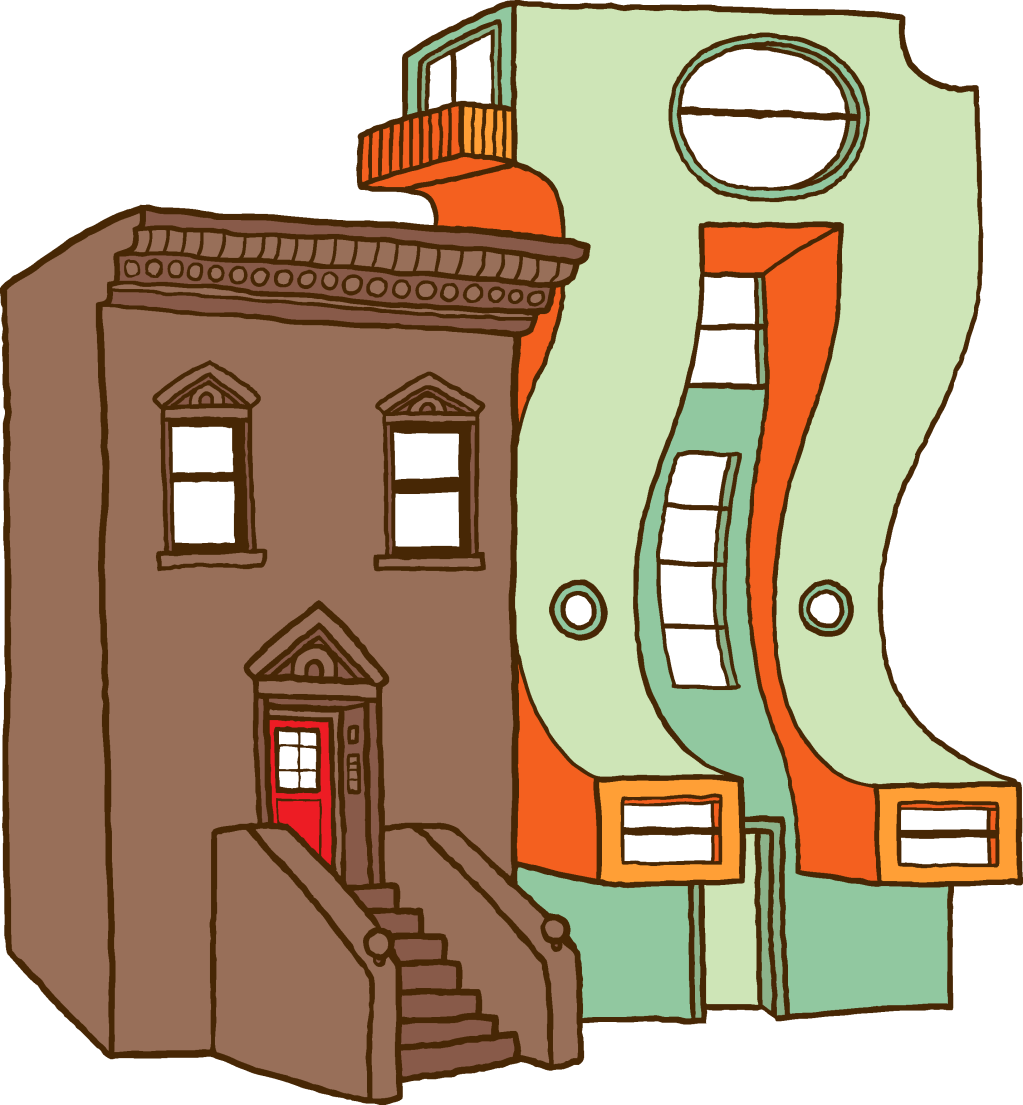
The Manhattan-based Municipal Arts Society released its vision for “saving” Coney’s amusement zone, showing off a series of outrageous — and, like one of the “world’s tallest building” (pictured) and another of a bullet train from Manhattan operating on regular subway lines — unbuildable.
The group’s “Imagine Coney Island” project overlaps with the city’s current plan in that it also recommends that the Bloomberg Administration buy up land in the amusement zone.
And it calls for new signature rides — though neither the city nor the Municipal Art Society has explained where the money is going to come from.
The Bloomberg Administration has said it wants to build a nine-acre city-owned amusement park surrounded by blocks of privately held attractions like bowling alleys, movie theaters and hotels to keep the summer fun going all year round.
But that ambition collided with Sitt’s stated goal of building his own tourist Xanadu on the seasonal, honky-tonk Boardwalk.
The two sides have been battling it out while also confronting the complaints from merchants and Coney fanatics who say that both plans do not preserve enough rides and the beloved carnie atmosphere.