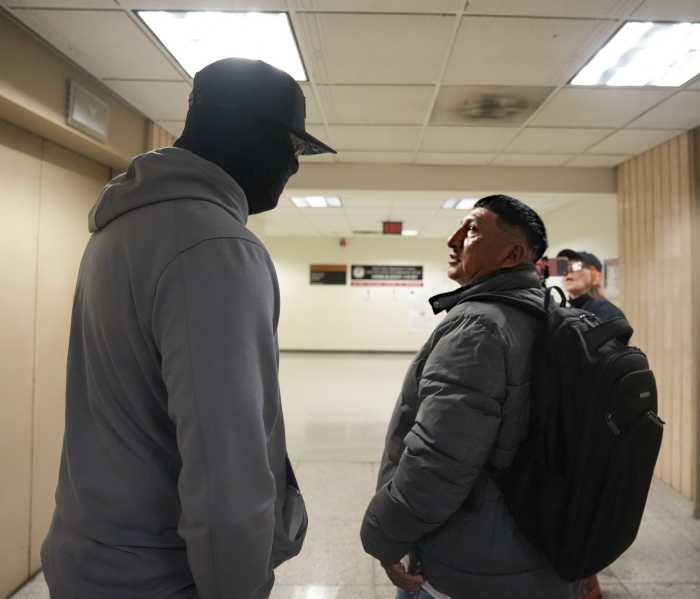
So what the hell was he yelling about?
On Thursday, the House rejected Rep. Anthony Weiner’s bill that would have provided up to $7.4 billion in aid to people sickened by World Trade Center dust.
The bill required a two-thirds majority because Democrats brought the bill forward as “emergency” legislation. Only 12 Republicans voted for it, sending it to a 255-159 defeat.
Moments before the vote, Weiner blew his stack at Republicans for blocking the bill on those procedural grounds.
But it was the Democrats who played a risky game, expediting a bill to avoid GOP amendments, one of which could have included a ban on aid going to illegal immigrants sickened by the foul dust.
The target of Weiner’s ire, Rep. Peter King (R-Long Island), supported the bill, but indicated that Democrats used the “emergency” procedure because they were “petrified” by the thought of casting votes on amendments to it.
Weiner told CNN that he was so passionate because he felt this was an issue that would transcend politics. “This isn’t about me or Peter King,” he claimed.
Weiner said this special procedure is typically used for items that are not considered controversial.
Weiner focused ire at fellow bill co-sponsor King, because he thought the gentleman should have spent more times persuading his Republican colleagues to support the bill.
“They are not Democrats or Republicans when they ran down to Ground Zero,” Weiner told CNN.