
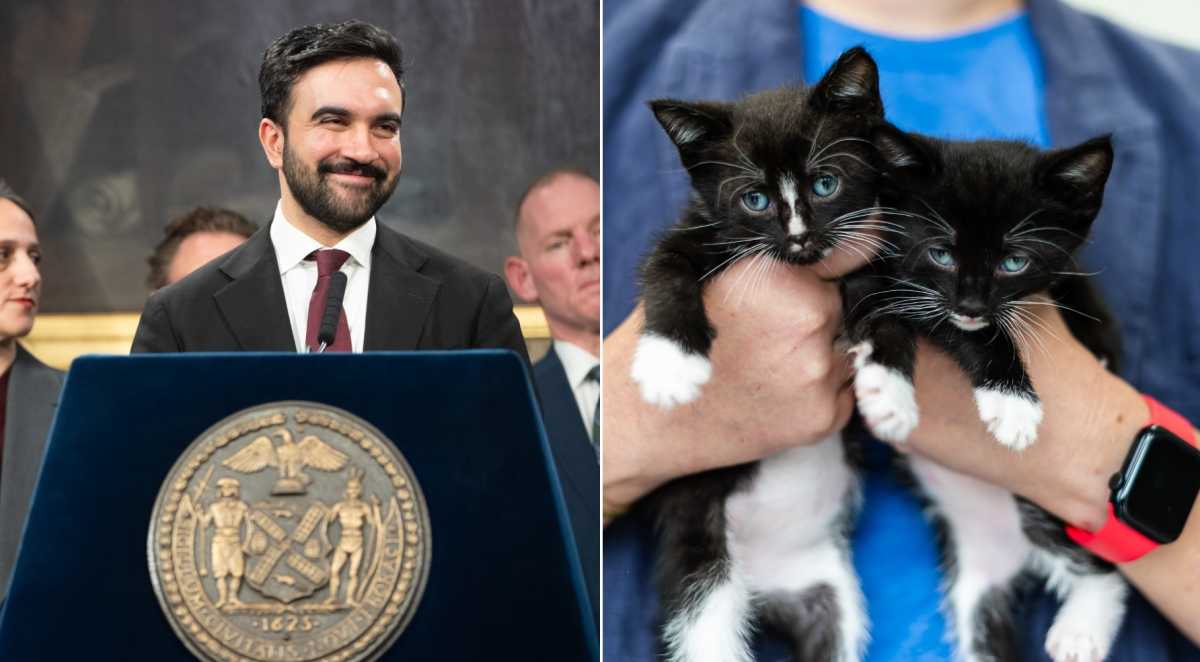
Just over a month into Mayor Zohran Mamdani’s tenure, local animal welfare leaders are urging his administration to step up for the city’s pets and their owners.
Pet owners in New York City and across the U.S. have for years been dealing with a pet affordability crisis as costs of vet care and pet supplies rise. Combined with the rising cost of living, providing care for animals has become prohibitively expensive for some New Yorkers, leading to overcrowded shelters and more strays on the streets.
Nonprofit Flatbush Cats and Voters for Animal Rights last month released a policy campaign outlining their suggestions for easing the crisis, including stringently enforcing existing animal rights laws and funding affordable vet clinics and pet food pantries.
Will Zweigart, founder of Flatbush Cats, said he feels optimistic that Mamdani will be willing to listen and act on the pet affordability crisis where past city leaders were not.
“The first thing he did after being sworn in was go to a rent-controlled apartment building in Flatbush to talk to the residents about unaddressed issues,” he said. “This is someone who wants to hear about unaddressed issues and wants to put the full force of the city into addressing them.”
Enforcing existing animal rights laws
The groups first want Mamdani to shore up the city’s existing animal rights regulations, starting with a new head of the Mayor’s Office of Animal Welfare. Multiple city agencies, like the Department of Health and Mental Hygiene and the NYPD, are responsible for managing animal-related laws and regulations, and the office was created to coordinate those efforts and assist the mayor.
But as of fall 2024, the director of the Mayor’s Office of Animal Welfare was also its only full-time staffer.
The new director should “share the mayor’s vision,” Zweigart said, and “shouldn’t be afraid to call out issues that need to be addressed.”
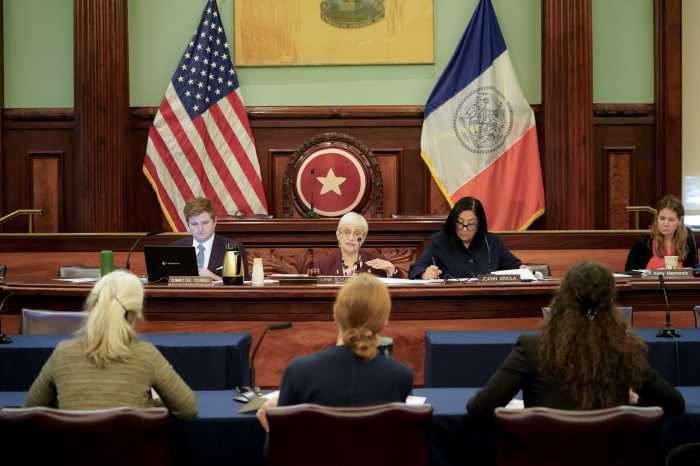
In 2024, animal activists and elected officials slammed the Department of Health and Mental Hygiene — which is responsible for funding most affordable spay/neuter surgeries in the city and oversees the city’s municipal shelters — for publicly telling the City Council it did not need more funding for spay/neuter, while privately expressing greater need.
“This person needs to have the ability to speak up and push for common-sense policy changes, particularly with a mayor like this, who has said ‘We are going to govern audaciously,’” Zweigart said.
With someone new in the lead, the platform says the city must do better to enforce existing laws regulating animal breeding, licensing and sterilization.
Allie Taylor, founder of Voters for Animal Rights, said the DOHMH and the NYPD are “choosing not to prioritize” those laws. Zweigart pointed to a 2024 City Council hearing where DOHMH revealed it had not issued any spay/neuter violations that year, which he called a “clear dereliction of duty.”
And while the city banned “backyard breeding” in 2024, VFAR receives regular reports about residents breeding and selling animals out of their apartments.
“When you report those to 311, you usually get an email back within a day that just says ‘unfounded, case closed,’” Taylor said. “It’s impossible to have investigated those cases in a day.”
Funding affordable pet care
The rest of the platform is centered around city funding for affordable vet care and other resources — like a pet food pantry pilot program.
Vet care costs have skyrocketed in the past decade, well outpacing inflation, and other pet-related costs are starting to catch up. The price of pet food has jumped 20% since 2022, CBS reported last year. Owners who can’t afford vet care or pet food can be more likely to surrender their pets to shelters, or, in dire situations, turn them out on the street.
In 2025, Animal Care Centers of NYC took in more than 16,000 animals, its reports show, including nearly 10,000 strays and 6,534 owner surrenders. Five years earlier, it had taken in just over 7,000 strays and 5,740 owner surrenders.
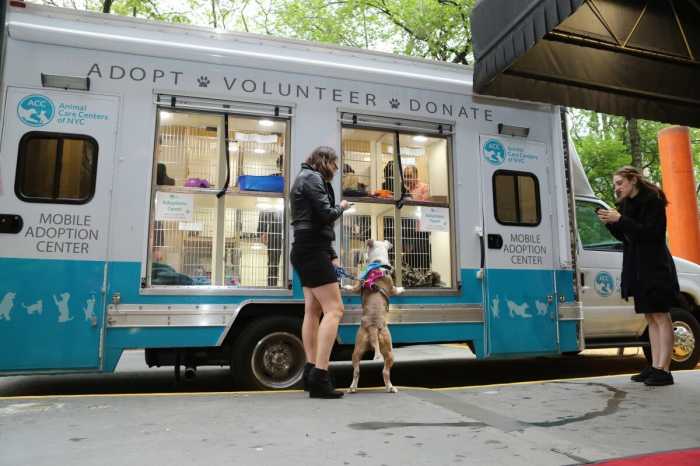
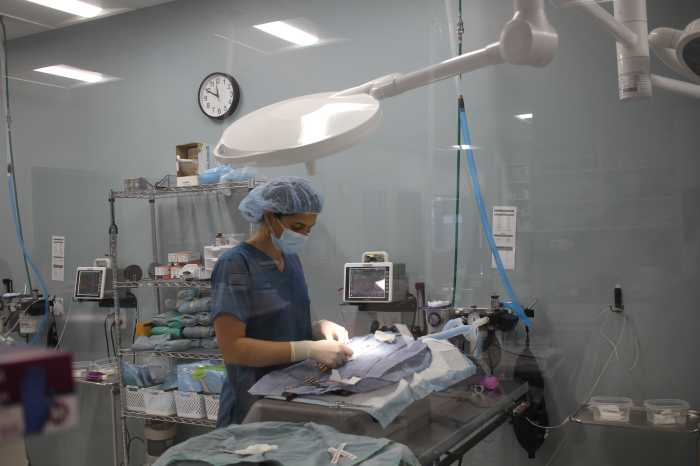
The policy platform calls for more city funding for spay/neuter surgeries and low-cost vet clinics in every borough.
Last year, the Council allocated $500,00 for a city-funded low-cost spay/neuter pilot program at Flatbush Vet. Part of the aim of the program, Zweigart said at the time, was to figure out how the city can expand it across the city, either by opening new clinics or partnering with existing veterinary offices.
“We need clinics like Flatbush Vet … all over the city,” Zweigart said. “And nonprofits right now, the way the government is funding services, they’re not funding capital projects like this, and nonprofits don’t have millions of dollars to stand up their own clinics in the Bronx and Queens. We really are going to ask the city to completely rethink the level of investment they have.”
City-funded pet food pantries would be something new for New York City, but the idea has already received broad support from the City Council. Last year, 35 Council members signed on to co-sponsor a bill that would establish a 12 month pet food pantry pilot program, but the bill was not voted on before the end of the session.
“When we talk to human food pantries, they tell us the number one thing they get asked about from the clientele is, ‘Are you going to have pet food? When are you going to have pet food?’” Taylor said. “We know the demand is there, and the infrastructure is also there — you have human food pantries all over the city — it’s just a matter of providing the funding for pet supplies.”
Many pet owners struggle to afford pet food during short periods while between jobs or dealing with a short-term financial setback, Zweigart said. Having access to a pet pantry for just a month or two can make a significant difference.
“… it is surrender prevention,” he said. “It’s not just a feel-good thing, it’s probably the cheapest and most efficient way to keep shelter overcrowding from being a persistent issue.”
The groups estimate their proposals would require $15.3 million in city funding for Fiscal Year 2027. Though the number is high, it would represent a very small percentage of the city’s total budget, which last year totaled $116 billion.
Zweigart and Taylor said they have made inroads with a handful of council members who support animal welfare, and are hopeful that they and Mamdani will work together to increase funding for citywide programs.
The mayor’s office did not return request for comment.