
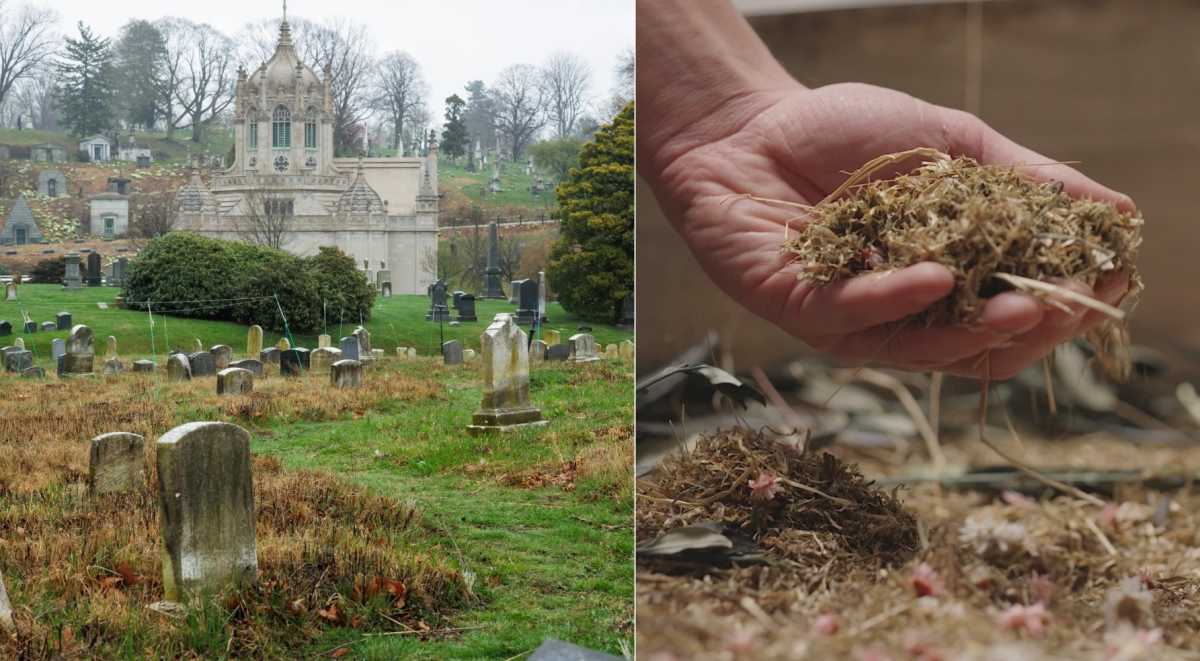
In pursuit of a more eco-friendly future, Green-Wood Cemetery is going back to basics.
Starting next year, the storied cemetery will offer a new burial option: “natural organic reduction,” also known as human composting.
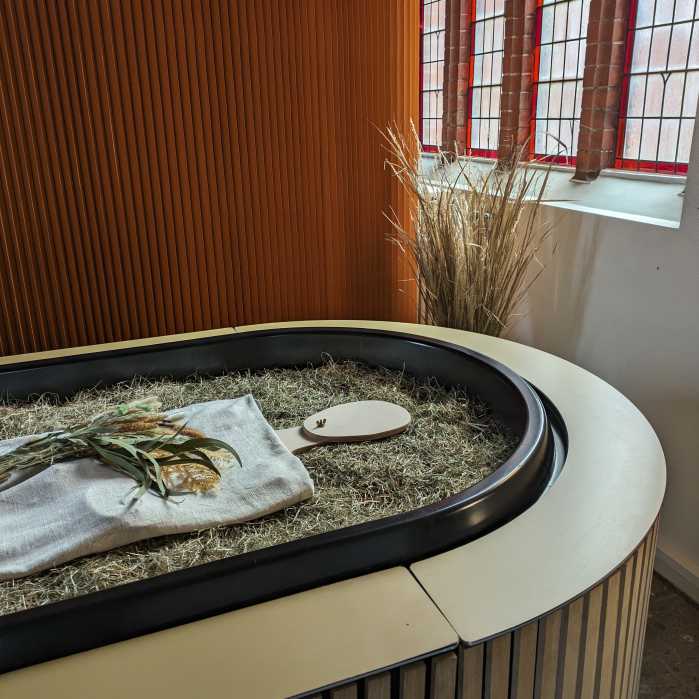
The process is fairly similar to run-of-the-mill composting. Bodies are sealed in specialized “pods” on a bed of hay, straw and alfalfa. The pods — designed to regulate moisture and airflow — rock gently back and forth to help speed decomposition.
After just 40 days, the contents of the pod break down into roughly 160 pounds of nutrient-dense soil, which will be used to support Green-Wood’s many plants and trees.
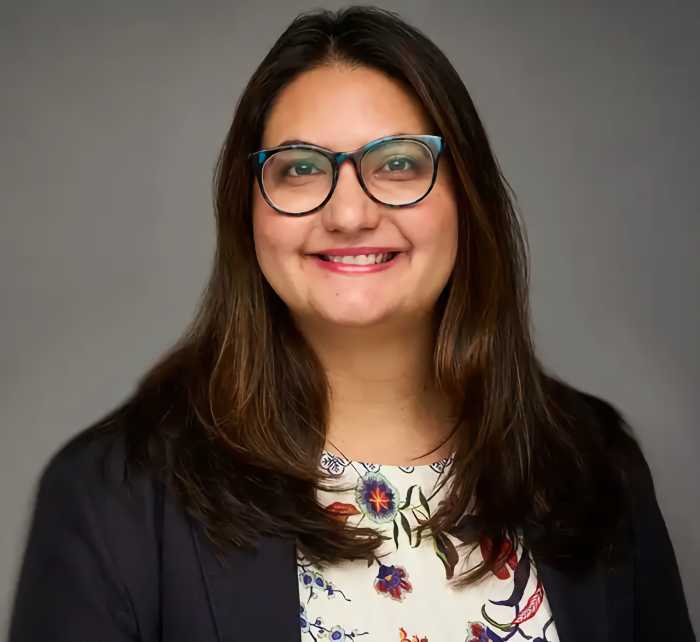
“I think it’s really important to think about this as just another way that we are dealing with death,” said Green-Wood president Meera Joshi. “If you look throughout history, there’s been so many different ways between cultures and over time on how people memorialize death. In some senses, this is the original way. It just has the benefit of technology so it can happen faster.”
Green-Wood will partner with the German “terramation” company Meine Erde — or “My Soil” — on the endeavor, and plans to become the first cemetery in New York to offer human composting, which the state legalized in 2023.
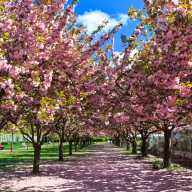
Human composting is both ecologically and economically beneficial for the sprawling cemetery. Green-Wood is a registered arboretum and for years has worked to fight climate change and protect its natural environment, but death is not carbon-neutral.
Cremation requires large amounts of fuel and generates significant air pollution. Traditional burials, where a body is embalmed and buried in caskets not entirely decomposable, can leak hazardous chemicals into the air and formaldehyde into the soil. To that end, Green-Wood already offers more traditional “green” burials, which make use of all-natural caskets and forego embalming.
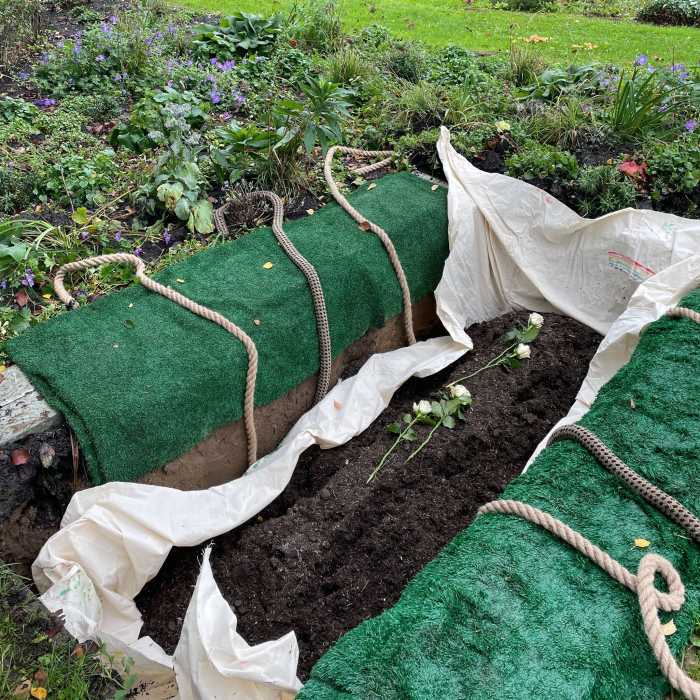
Human composting is a natural next step, Joshi said, especially for those who might already have wanted a green burial.
“[People who are interested] are very interested in the cycle of life, and they want to really have a more immediate ceremony that honors that,” she said. “With returning the body directly to earth, by being part of the earth, people will feel that connection.”
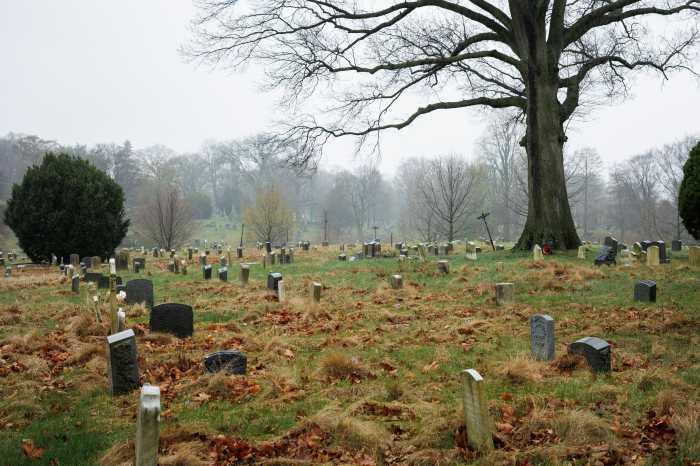
It’s also a space-saver. Green-Wood has nearly 600,000 “permanent residents” spread across its 478 acres, and space for traditional burials and mausoleums is, ultimately, limited. Joshi said Green-Wood still makes land sales every day, and will continue to do so for at least ten more years.
But to ensure the cemetery’s long-term future, it must explore alternatives that “take up less real estate,” she said.
“They allow us to take this a home for more people than a traditional burial does,” she said, comparing it to the city’s efforts to build density to provide more housing for living residents.
“It’s the same sort of strategy that we need to employ here because we don’t want to just be a museum, or a historic landmark,” Joshi said. “We want to be an active cemetery for future generations.”
Joshi said she was prepared for some pushback as Green-Wood began exploring human composting. But the reception so far has been surprisingly warm.
“I was surprised to hear more people absolutely enthusiastic and asking ‘Where can I sign up?’” she said. “We do have an untapped market here in New York. We live in a city where real estate and density are the two things we’re consistently combating, and to give people an option to have a permanent home here, where we have restricted space, I think is an important thing for New Yorkers.”
What exactly will be done with the finished compost has not yet been decided. All of Green-Wood’s green burials are done in one meadow, the Cedar Dell, without individual grave markers.
Joshi noted the cemetery may choose a similar strategy for spreading human compost, but said they still want people to have some choice over where they end up, maybe at the base of a specific tree. Per state law, the compost must be used on cemetery grounds.
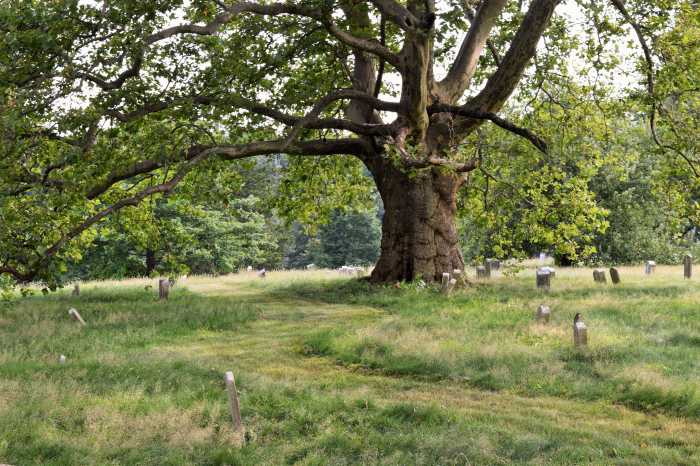
There will not be headstones, which she compared to spreading ashes — the deceased is not in one specific place, but dispersed in a meaningful location.
“I think the most important part is it gives the family that you leave behind a place to come and recognize that your remains are there, and be able to remember you through that,” Joshi said. “Not through a traditional monument or a headstone, but through a place.”
The funerary industry is highly regulated, and rules are already in place for human composting in New York. Before Green-Wood can start offering it officially, it must work with the state’s Division of Cemeteries and Department of Health to ensure all regulations are being met, and all staff who will be involved will receive special training.
Green-Wood expects to make human composting an official option in early 2027, Joshi said. For now, interested Brooklynites can contact the cemetery’s memorial counselors online to be added to a waitlist, so they will be contacted as soon as the service becomes available and concrete plans can be made.