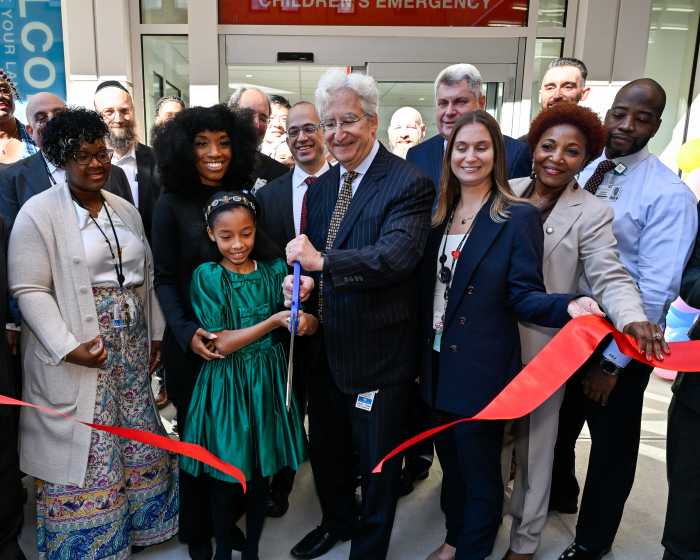
Maimonides Health marked a new chapter in women’s health care on Jan. 28 with the grand opening of its Women’s Neurology Center at the Maimonides Doctors Multispecialty Pavilion in Borough Park.
The one-stop, comprehensive neurology and OB/GYN practice is the first of its kind in New York City and is designed to address women’s unique neurologic health needs throughout their lives. The center coordinates care among neurology, primary care and OB/GYN services, offering comprehensive treatment for conditions such as migraine, stroke risk, multiple sclerosis and epilepsy — disorders often influenced by hormonal changes during pregnancy and menopause.
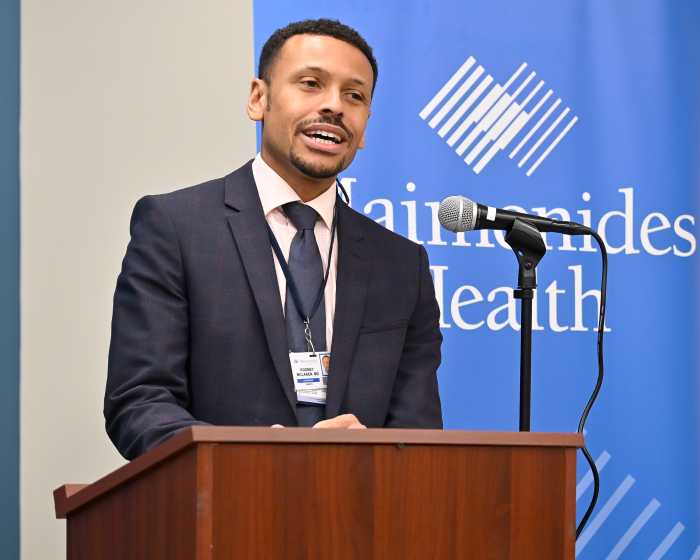
The center is led by Maimonides neurologist and epileptologist Dr. Susanna O’Kula and Dr. Rodney McLaren, director of Maternal-Fetal Medicine Ambulatory Services at Maimonides. Clinicians approach care with specialized expertise in neurologic health during periods such as pregnancy and menopause, when women face a greater risk of developing new neurologic conditions or complications from existing ones due to hormonal fluctuations.
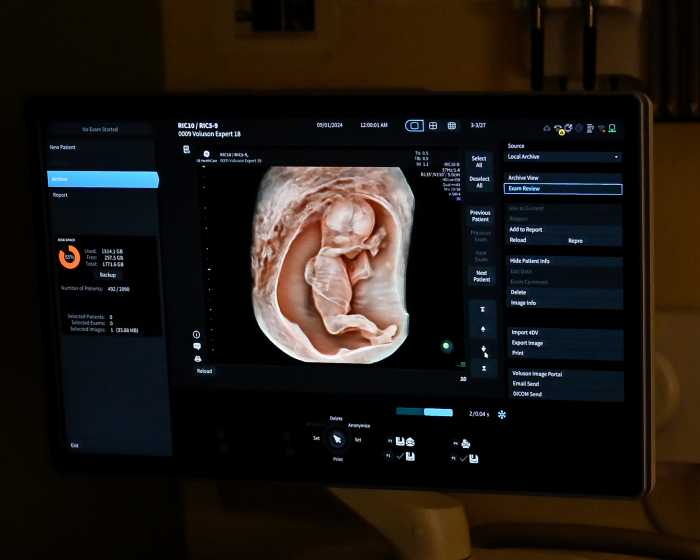
Women’s neurology is an emerging subspecialty that examines the effects of hormones, pregnancy, menopause and other biological factors on women’s neurologic health. Chronic neurologic conditions such as multiple sclerosis and migraine are three to four times more common in women than in men. Certain women’s health conditions — including pregnancy, menopause, especially early menopause, menopause-related symptoms, preeclampsia, endometriosis and migraine with aura — are associated with an increased risk of stroke, the third-leading cause of death among women in the United States.
Patients at the center benefit from subspecialty expertise across Maimonides’ Division of Neurology, including neuroimmunology, neurovascular health, headache medicine and neuromuscular care, as well as its broader specialty network, which includes cardiovascular specialists, neurosurgeons, geriatricians, general surgeons, primary care providers, and physical and occupational therapists. Diagnostic tools available to patients include MRI, EEG, EMG, laboratory testing and epilepsy gene panels.
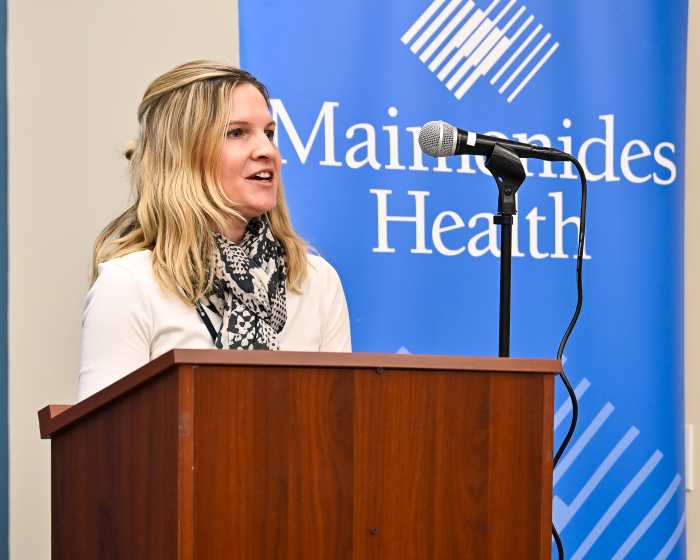
Diagnosing and treating neurologic conditions through a women’s health lens improves preventive care and treatment for both acute and chronic conditions. While the idea of a comprehensive women’s neurology center had been discussed for years, it ultimately took shape through a shared patient of O’Kula and McLaren.
“We had a mutual patient, and I tracked him down to his office and said, ‘I think it would be great to just be able to pick up the phone and have this center where we can refer women who need us, meet both of us at the same time,” O’Kula said.
“For women who have epilepsy, part of what the center does is help them navigate all the challenges related to seizure care, pre-conception, during a pregnancy, afterward, and then also the hormonal fluctuations that can affect seizures and medications in menopause and beyond,” she explained. “We have designed this program to cater to the needs of all women with neurologic concerns, diagnosed or undiagnosed. Improving equity and access to care in a field where women’s concerns have historically often been dismissed is central to our mission.”
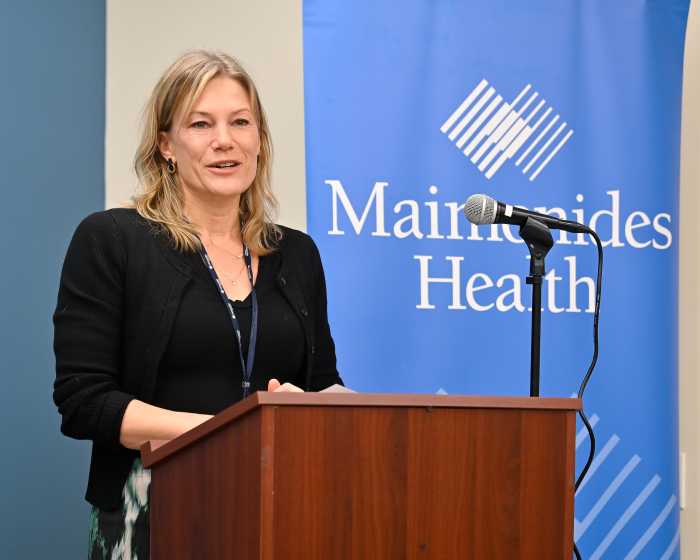
For pregnant patients with neurologic conditions — or those considering or planning pregnancy — Maimonides’ Maternal-Fetal Medicine Ambulatory Services provides preconception counseling, comprehensive prenatal care and postpartum care tailored to their needs.
“The unique factors influencing women’s neurologic health are becoming more widely recognized,” McLaren said. “As a maternal-fetal medicine specialist, I’ve seen firsthand how conditions like pregnancy can unmask latent neurologic conditions and exacerbate existing ones. This center makes it easy for these patients to engage in comprehensive care and be rapidly connected to a specialist before these periods or as soon as they become apparent.”
Premenopausal and menopausal patients frequently experience cognitive and neurologic symptoms such as brain fog and memory changes, while headaches, migraines and seizures may shift in frequency and intensity.
According to Sarah Zeurcher, a nurse practitioner and director of nursing at the Maimonides Menopause Center, women’s health care has often been siloed, with providers failing to communicate across specialties.
“So having the Women’s Neuro Center here, co-located with us, with doctors who are experts in all these different aspects of women’s neurological health, is such a crucial piece to providing comprehensive care to women,” Zeurcher said.
Dr. Scott Chudnoff, chair of obstetrics and gynecology at Maimonides Health, said the center reflects a broader shift toward a more integrated vision of health care, particularly for women.
“The ability for us to bring together various services, to be able to meet the women where they are and what they need, has really been part of the critical vision for what this represents,” Chudnoff said. “We know that women at different parts of their lifespan have different needs, whether it be from pediatric and adolescence through their reproductive years and postpartum, the needs, specifically as it pertains to their neurological concerns and conditions, vary greatly throughout that entire span, and us, having a center like this will be able to provide the best care possible for all of our patients.”
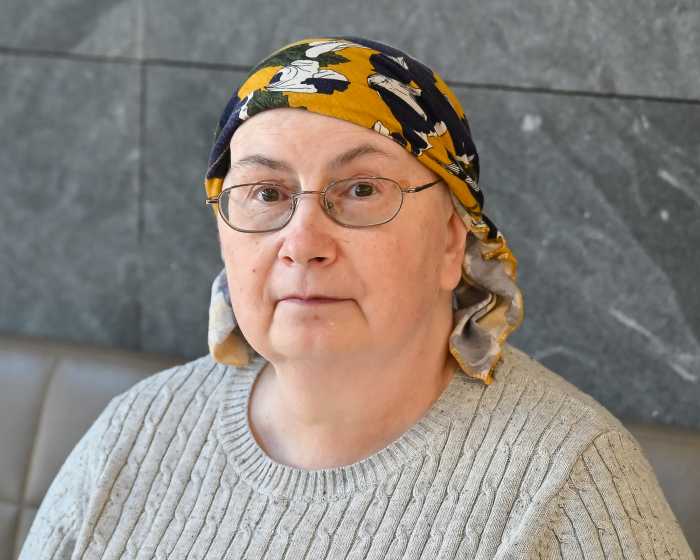
For Jonelyne Caruso, who has epilepsy and interstitial cystitis — a chronic condition that causes bladder pressure, pelvic pain and urinary urgency and frequency — finding coordinated care during menopause had been nearly impossible.
“I couldn’t find a doctor who could prescribe anything to me, because they didn’t want to,” Caruso told Brooklyn Paper. “They didn’t want to talk to my neurologist. And it’s a problem finding doctors that know each other and connect with each other. One hand doesn’t know what the other hand is doing.”
Before becoming a patient at Maimonides, the Bensonhurst resident traveled to the Bronx and Manhattan for care. Now, all of her doctors practice under one roof and communicate regularly.
“They found a medication that works for my seizures, and they found an OB/GYN that would see me, who’s familiar with epilepsy, because I need some type of treatment,” Caruso said. “The doctors, they treat me like a person.”