While Maimonides’ physicians focus on addressing patients’ physical ailments, a team of social workers concentrates on their mental, holistic and psychosocial needs.
Social workers in Maimonides’ Department of Case Management provide non-medical support for non-behavioral patients, including crisis counseling, advocacy for patients’ rights, connections to resources such as housing and health insurance, and coordination of in-home or long-term facility aftercare. Meanwhile, social workers in the Department of Psychiatry deliver comprehensive, evidence-based mental health services, including 24/7 psychiatric emergency care, inpatient hospitalization and outpatient treatment for behavioral patients of all ages.
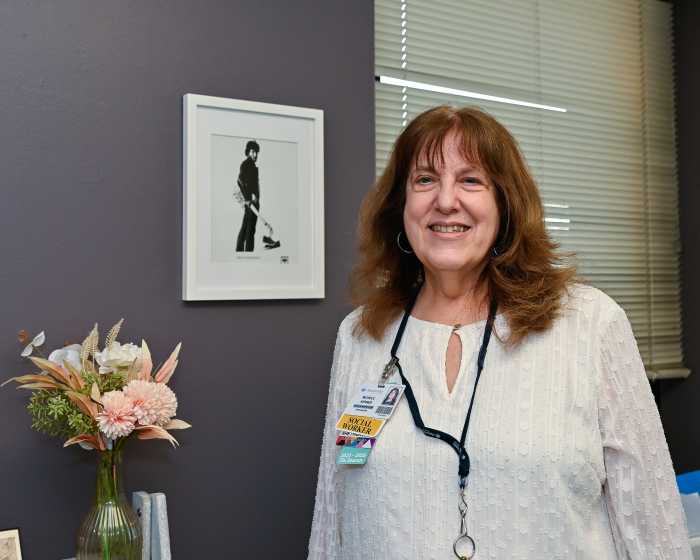
Michelle Kerner, a licensed clinical social worker and chief of Outpatient Social Work in the Department of Psychiatry, is celebrating 36 years at Maimonides.
Kerner began her career as a social worker at Maimonides’ Development Center in the early 1990s before transferring to the Department of Psychiatry in 2000. There, she served as assistant director of Adult Outpatient Services and director of the Rapid Access Clinic before assuming her current role.
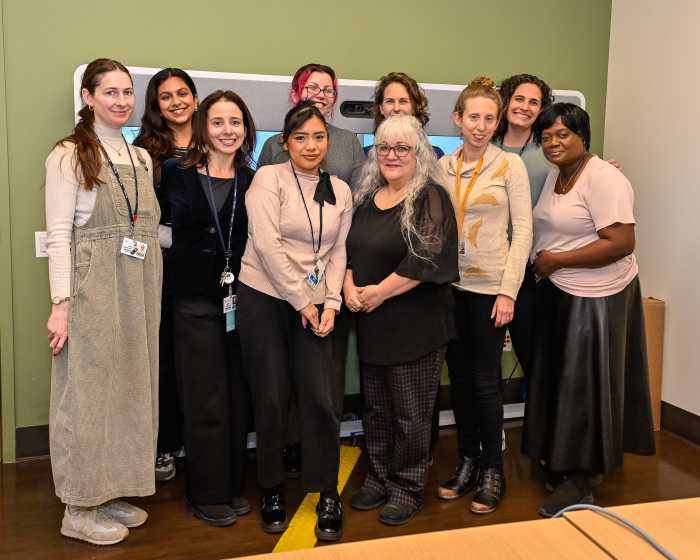
The Department of Psychiatry staff includes 40 social workers and 10 psychiatrists who provide care for children, teenagers, adults and families in multiple languages. Services include acute psychiatric care for adults; outpatient psychiatric care for pregnant and postpartum patients; group therapy programs for individuals with acute or chronic mental illness; LGBTQIA+ mental health services; La Clínica, a culturally sensitive program for the Latino/Hispanic community; and child and adolescent psychiatry care, including a six-week summer respite program called “Help Us Grow.”
Kerner told Brooklyn Paper that the department, which treats more than 6,000 inpatients and 80,000 outpatients, has seen a spike in post-COVID-19 mental health challenges among children. Many are diagnosed with anxiety, self-injurious behavior and school refusal, which she said is rooted in anxiety.
“You have to sort of treat the underlying anxiety and try to do what we call exposure therapy to get the kids comfortable in going back to school,” Kerner explained.
While stigma around mental health persists, Kerner said attitudes have improved.
“There’s definitely much more emphasis on not treating it so much as a stigmatized illness, as you’re going to be sick your whole life. There’s definitely much more emphasis on healing, on improving, on doing better, on getting on with your life. There are options, and there’s a lot more services in the communities now that address that,” Kerner said, urging patients in emotional crisis to seek help. “There is help. There are people who do care, and we are here to help you.”
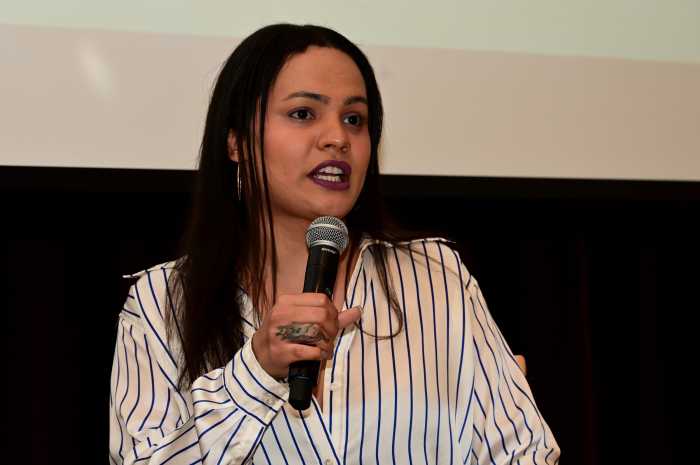
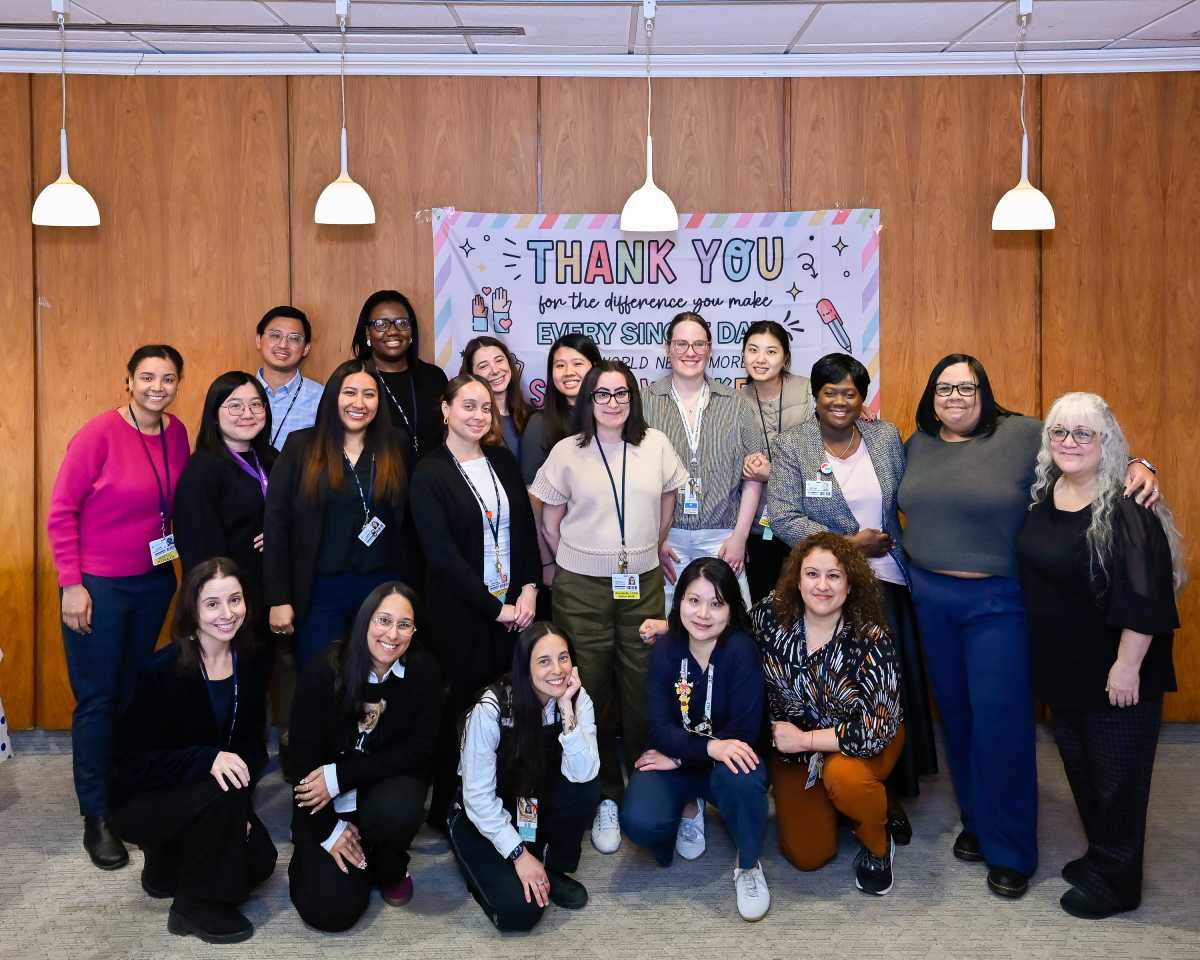
At a National Social Work Month celebration, Dr. Yovanka Green, a licensed clinical social worker and director of Social Work in the Department of Case Management, told Brooklyn Paper that the 20 social workers in her department assist about 1,000 patients a month. They address non-behavioral needs ranging from housing insecurity and unemployment to substance abuse, as well as family issues such as child or spousal abuse.
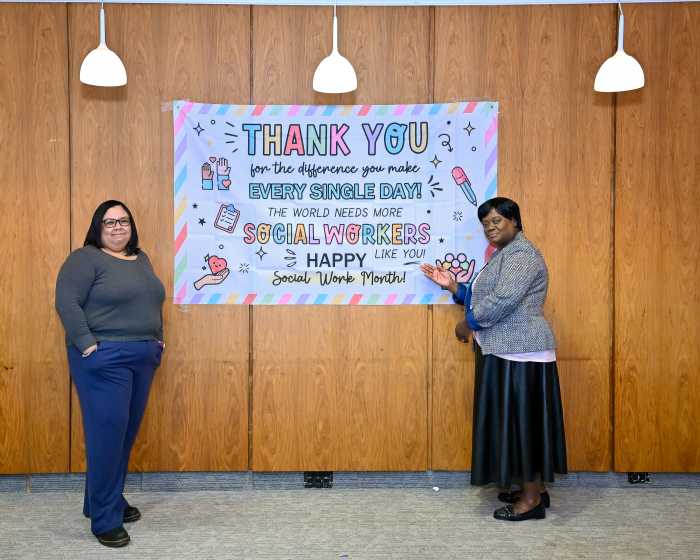
“We have this model that we always want the patients when they come in to leave, just a little bit better. As much as we can do for the patients, we do it. I mean, we go above and beyond,” Green said. “I always tell the team that they are pretty much detectives, because we try to find out what the support systems are for a patient before we discharge them. So when they leave here, they’re in a better situation than they came in.”
Marline Laurent-Nicolas, a senior maternal-child health social worker in the Neonatal Intensive Care Unit (NICU), supports families of infants born prematurely or with medical complications. She coordinates resources and provides emotional counseling to families coping with the stress of a critically ill newborn.
She connects patients with programs such as the Supplemental Nutrition Program for Women, Infants and Children (WIC) and arranges transportation so families can visit their child in the NICU. She also provides essentials such as pack-and-play cribs, strollers and car seats.
In addition, she collaborates with other health care professionals to coordinate prepartum care for expecting mothers, specialized home care for mother and baby — including doulas — mental health support for new mothers, NICU support groups and bereavement services.
“A lot of our mommies here have limited support. We have a lot of immigrants; they are alone. And we have a lot of moms, even in shelters; they are alone. So now we’re sending them out with a newborn to an environment that’s unpredictable. So we have to link them, not only [with] services, but give them a lot of support that they need, because mental health is very important, and this is the period after you have a baby, where that postpartum depression kicks in, we have to support that,” Laurent-Nicolas said.
She recalled one mother whose premature son she supported. In an email, the mother thanked Laurent-Nicolas for her dedication during a time when her “whole world shifted overnight.”
Like many expecting mothers, she had anticipated an uncomplicated delivery. Instead, she found herself navigating the NICU, trying to remain strong while coping with fear, exhaustion and emotional strain. Laurent-Nicolas, she said, provided emotional, mental and logistical support, offering a “sense of calm” during a stressful time.
Laurent-Nicolas, who holds a master’s degree in social work and child psychology, said she understands the emotional toll of a premature birth firsthand. She was hospitalized for two months before delivering her own premature baby and did not have access to similar services.
“I know the isolation you feel, even if you have family coming in, staff is waving, but being in that bed, you’re isolated from your outside family. You’re also having anxiety because at any moment, anything can happen to you or your fetus, so you have to worry about that, the emotional toll,” Laurent-Nicolas said. “We have to provide them with that support; if not, we’re doing an injustice to them.”
That support also includes monthly meetings with NICU mothers and weekly team meetings involving OB/GYN physicians, pediatricians, nurses, social workers and lactation specialists.
“We are really working as a team in the NICU,” she said.