
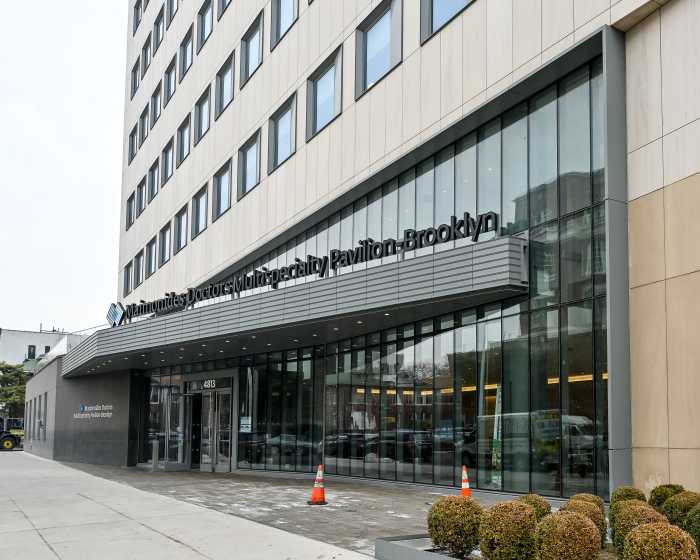
Amid a rise in obesity and Type 2 diabetes citywide, Maimonides Health celebrated the one-year anniversary of its Weight Management Center at its Doctors Multispecialty Pavilion in Sunset Park on Jan. 6.
Since its inception, the center, which is Brooklyn’s most comprehensive weight reduction center, offering a full spectrum of services for adults seeking help with weight loss and obesity, has supported 1,000+ patient visits, performed more than 200 bariatric surgeries, and helped patients collectively lose over 1,000 pounds. In 2025, Newsweek named Maimonides one of America’s Best Weight Loss Clinics & Centers.
The center offers a wide range of weight-loss options, including nutrition education, exercise, anti-obesity medication, and surgical weight-loss procedures. The weight-loss journey is tailored to the patient’s needs, including individualized medical weight management programs, screening for psychological factors and contributors, nutritional evaluation and dietary support, and educational seminars and post-operative support groups.
Dr. Alexander Abdurakhmanov, director of Bariatric Surgery at Maimonides Medical Center, noted that surgery was more than just about weight loss; it was about the quality of life patients gain.
Abdurakhmanov explained that the most common weight-loss surgeries are sleeve gastrectomy, which permanently removes about 80% of the stomach, leaving a narrow, tube-like “sleeve” that holds significantly less food and produces less of the hunger hormone ghrelin, leading to reduced appetite and calorie intake, and gastric bypass, where a surgeon creates a small pouch at the top of the stomach by separating the upper portion of the stomach from the lower portion. This pouch, which becomes the “new” stomach, connects to the small intestine via two openings that divert food to the lower part of the digestive system, limiting the amount of food the patient consumes.
Patients can expect to lose 30% of their total body weight, Abdurakhmanov explained, emphasizing that bariatric surgery is safe.
“They’re as safe as having your appendix removed, as safe as having your gallbladder removed,” Abdurakhmanov said.
Obesity is a major contributing factor to chronic and life-threatening conditions, and in addition to weight loss, patients experience significant health improvements, including reduced high blood pressure, diabetes — many patients experience fewer diabetes symptoms and are able to reduce or stop diabetes medications altogether — cancer risk, and heart disease, as well as improved respiratory health and sleep issues such as obstructive sleep apnea.
“Our patients are much more comfortable doing their daily tasks, walking up and down the stairs, [and] around the block without getting winded. They feel confident. They’re getting on planes, trains, and buses more comfortably, doing the things they need to do. They’re off their medications. They live longer, healthier lives,” Abdurakhmanov said.

Kizzy Charles underwent a sleeve gastrectomy on Dec. 22, 2025, and has already lost 25 pounds. Her goal is to lose another 30 pounds.
She told Brooklyn Paper that she’d been struggling with weight loss since a breast cancer diagnosis in 2021, and was getting frustrated. Her doctor referred her to Dr. Abdurakhmanov, whom Charles described as “friendly, kind, and understanding.”
“I was 200 pounds, and I wasn’t pleased about it, because every time I went to Primark and shop, and I’m like, ‘Okay, this is not how I picture my life,’” Charles shared. “I’m just looking forward to have a healthy life, a healthy environment, so I can set an example for my grandchildren. I’m so grateful that I met Doctor Alexander. He’s an angel sent from God, and he takes very good care of all his patients.”
Carlos Casanas is another Maimonides weight-loss success story. Weighing 305 pounds and suffering from sleep apnea and fatigue, he had a sleeve gastrectomy one year ago. So far, he has lost almost 100 pounds, and his goal weight is 190.
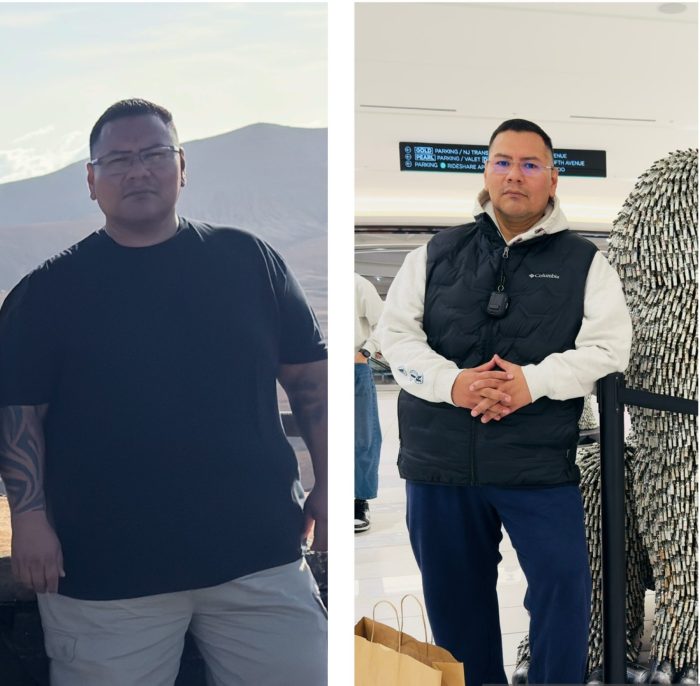

“[I] was tired all the time, it was just out of control, and I needed to do something about it. Thank God, Dr. Alex came in to help,” Casanas told Brooklyn Paper.
Now, Casanas exercises three times a week and maintains a healthy diet high in protein and fiber, low in carbs.
“It’s been quite a journey,” said Casanas, encouraging others who might be uncertain about bariatric surgery. “Don’t be afraid. Do it. It’s been one of the best decisions I ever made, and I recommend it. No questions asked.”
While bariatric surgery “jump-starts” the weight loss journey, it’s essential that patients also adhere to a healthy diet and exercise.
Registered dietitian Nina Dahan stressed the importance of a holistic approach to weight loss.
She consults with patients pre- and post surgery, establishing an exercise routine and better eating habits, like mindful eating to recognize fullness signals –research has shown that mindful eating plays an important part in successful weight loss and keeping the weight off.
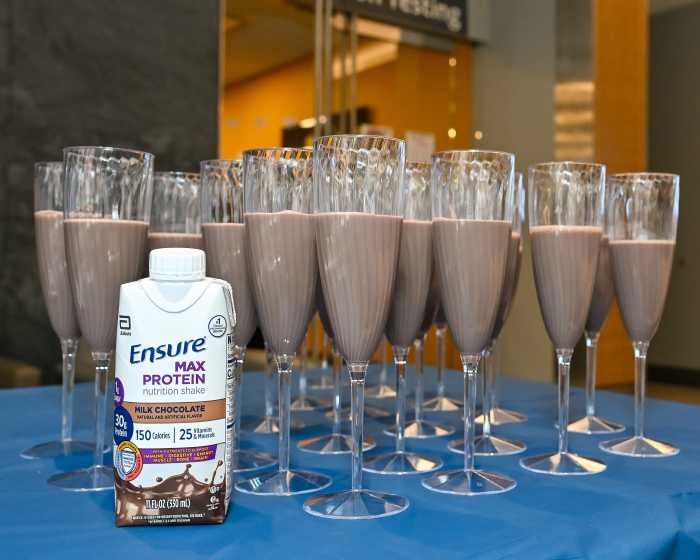
“The surgery is a tool, just like the medication is a tool. Food is a very personal, emotional thing, and when you take that away, or you minimize that, all of a sudden, that becomes challenging for some patients,” Dahan explained. “ I’m here to support you set realistic goals, personalized nutrition to fit your life, so that you don’t feel deprived, that it’s not another diet that you’re going to follow for a short time, this is a lifestyle.”
Maimonides also addresses emotional eating habits, often connected to depression and anxiety.
“I start the ball rolling with that, but we do refer to psychologists if we see that that’s needed. This is a whole team approach. It’s a very holistic approach that we have here, and everyone is a piece of the puzzle to support the patient to do what they need to do,” Dahan explained.