As debate over equity in medicine continues nationwide, one Brooklyn hospital offers a clear picture of what progress looks like: at Maimonides Medical Center in Borough Park, women surgeons are scrubbing in to lead critical care teams before most New Yorkers have started their day.
Feb. 3 is National Women Physicians Day, honoring early trailblazers such as Dr. Elizabeth Blackwell, the first woman in the United States to receive a medical degree in 1849; Dr. Rebecca Lee Crumpler, the first African American woman physician; and Dr. Susan La Flesche Picotte, the first Native American woman to earn a medical degree.
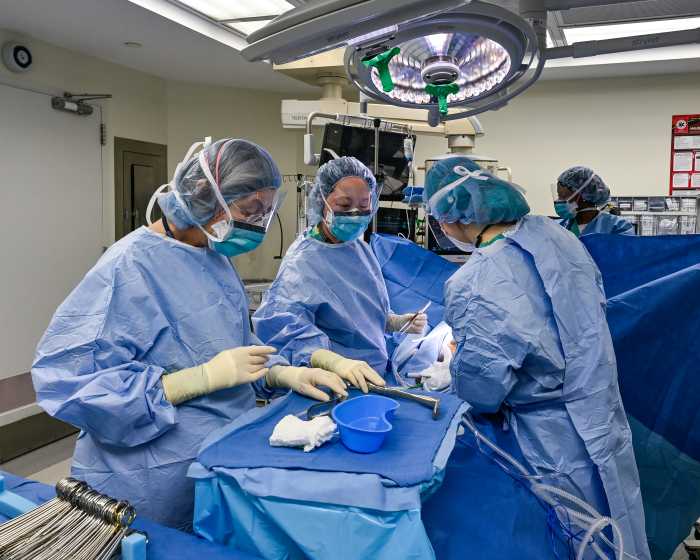
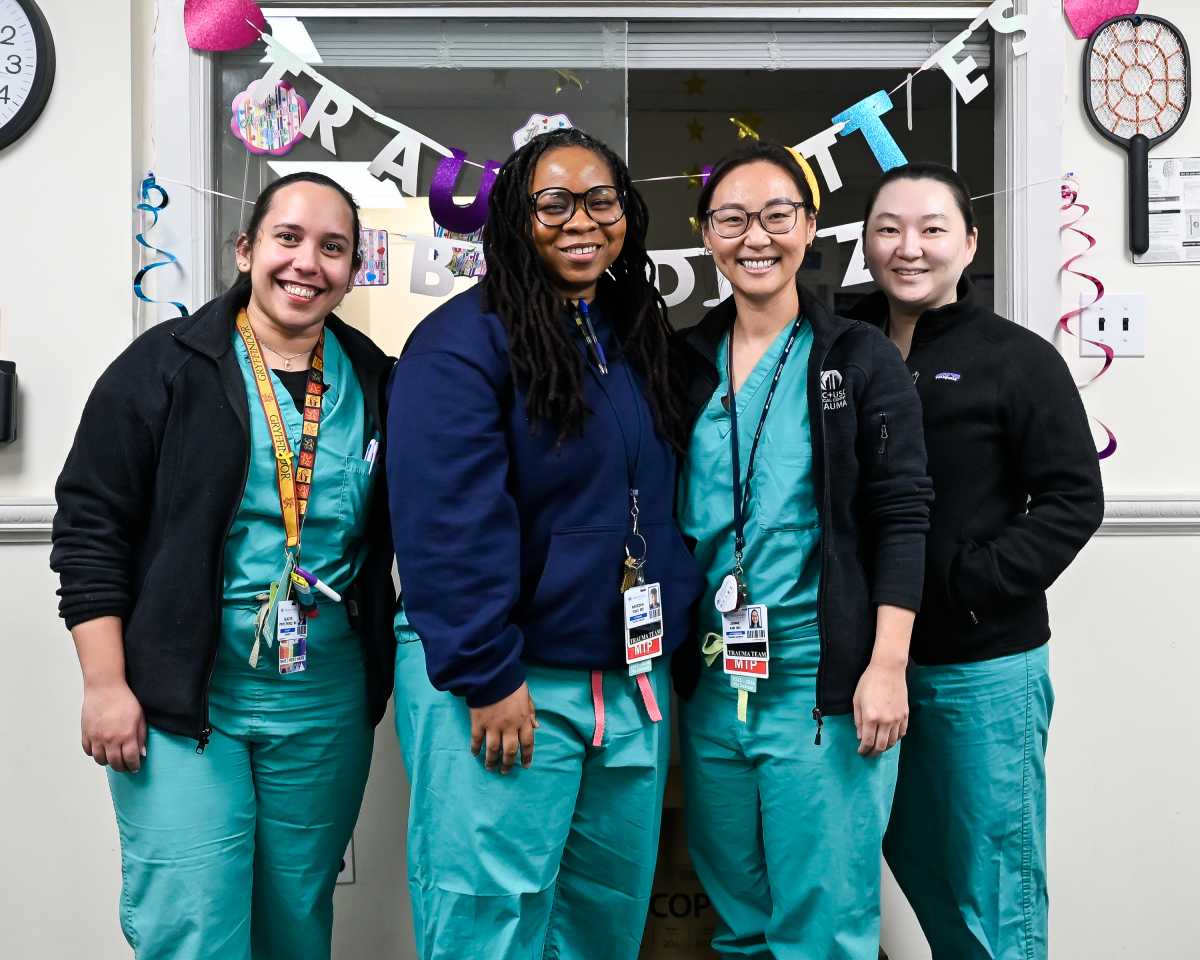
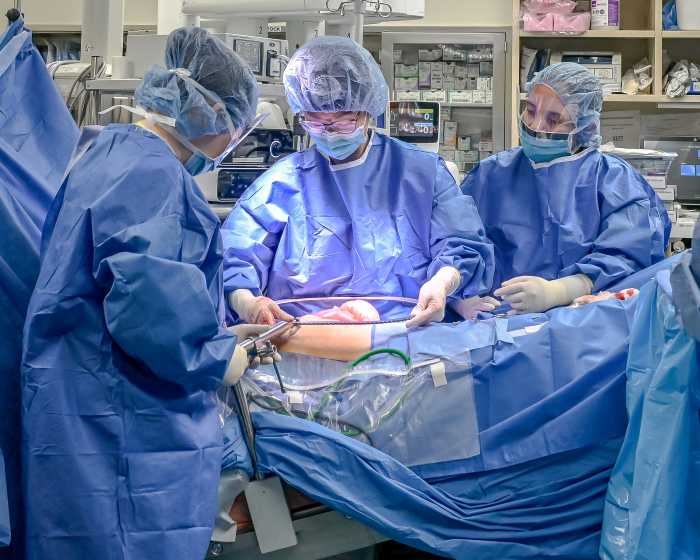
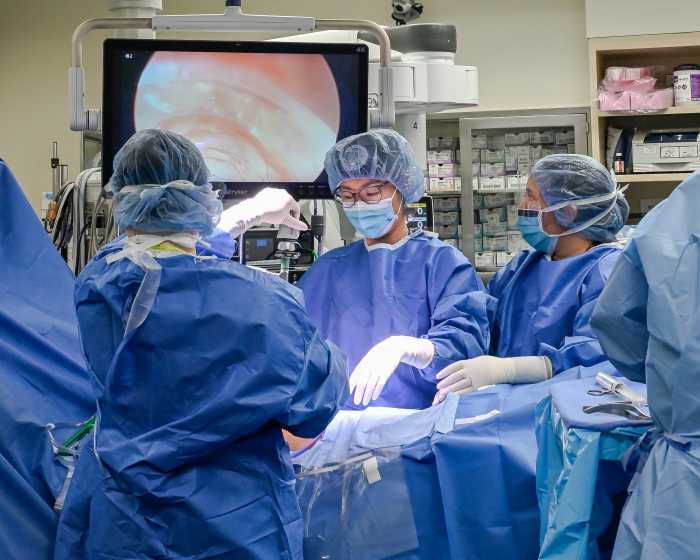
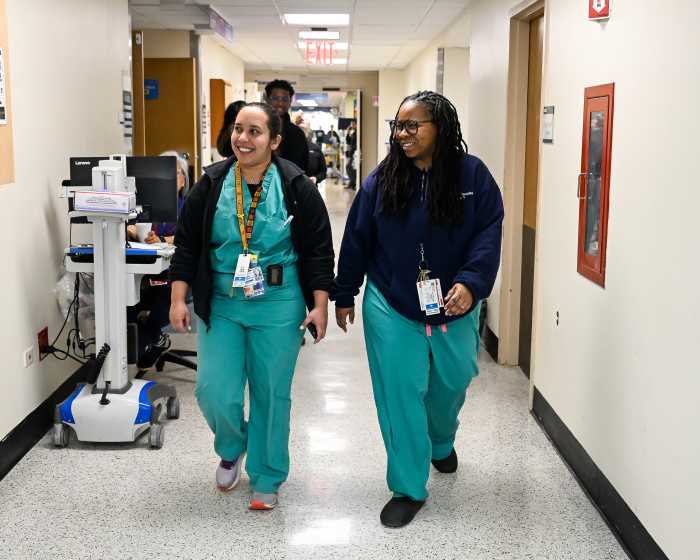
Brooklyn Paper had the opportunity to observe a day in the life of the Maimonides acute care team — the vast majority of them women physicians — at the Level 1 trauma center on Feb. 2.
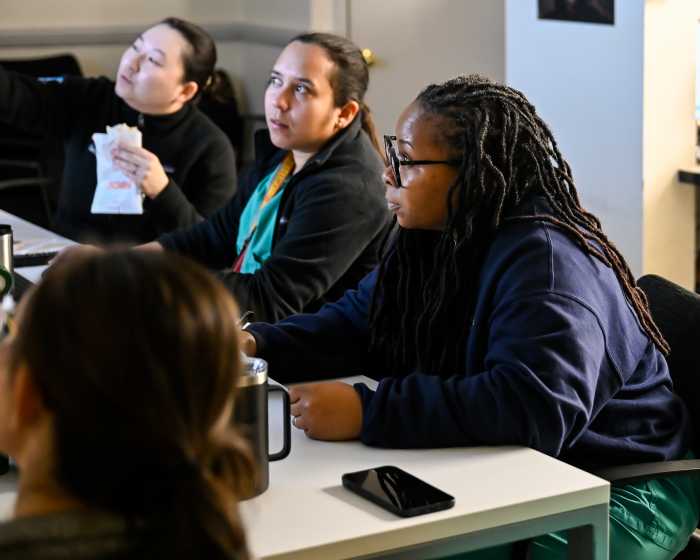
Around 5 or 6 a.m., residents visit all patients who may require surgery. From 8 to 10 a.m., they present patients’ information to the team, led by an attending physician such as general and trauma surgeon Dr. Nakesha King. The team reviews each case, discusses the best treatment options, then visits patients to explain their conditions, outline options and schedule surgeries.
A consult resident is also responsible for seeing every patient, prioritizing urgent cases and scheduling surgeries throughout the day. Because Maimonides is one of Brooklyn’s busiest health systems — with more than 1 million patient visits annually — caring for the most critical patients is a fluid, round-the-clock process.
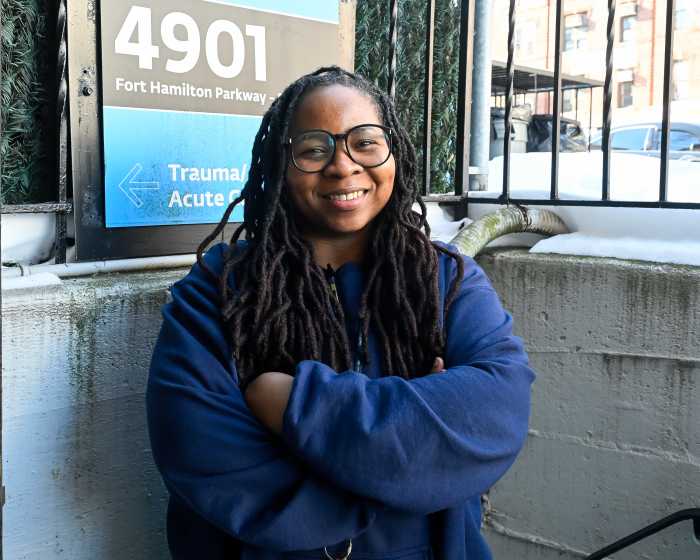
King explained that the acute care team covers the Intensive Care Unit; trauma cases such as gunshot victims and car crash patients; emergency general surgery involving life- or limb-threatening abdominal or gastrointestinal conditions; and emergency care for postoperative OB-GYN patients experiencing hemorrhage.
“For example, you have a patient who comes into the hospital, one of the aspects of our care is rescue,” King said. Roughly half of those people, she said, “are going to require some type of intervention, unexpected. Out of those people, about 20% of them need to be rescued. That’s part of my job.”
King completed her undergraduate studies at Johns Hopkins University and graduated from Weill Cornell Medical School. After her residency at Ohio State University, she completed a trauma critical care fellowship at Temple University during the height of the COVID-19 pandemic. She also earned a Master of Science during a research sabbatical focused on tissue-engineered vascular grafts at the Center for Regenerative Medicine at Nationwide Children’s Hospital in Ohio.
She said her residency at Ohio State provided a strong foundation in critical care, while Temple offered experience with penetrating traumas — injuries such as gunshot and stab wounds.
“I went to Temple to round out the penetrating trauma aspects of my training, which I was lacking from Ohio. [In] Ohio, it’s a lot of people falling from deer stands, not a lot of gunshot wounds or knife fights,” King said, adding that the experience made her a better surgeon.
King initially planned to become a cardiothoracic surgeon. But during her research in tissue engineering, her career path shifted after two of her cousins became victims of a drive-by shooting — one suffering a traumatic brain injury and the other still recovering from PTSD.
“So when I was sitting in the lab having those phone calls with my family back at home in Boston — I’m in Ohio — and just really walking them through that process, it made me very much in tune to the fact that I like being there for people during their scariest times and helping them go through it and walk through it,” King recalled. “That’s most important for me to be that stabilizing force when things get scary. So that’s why I love trauma. I really do. I switched from there, forgot all about cardiothoracic surgery, and I just completely switched my career path. I also had some phenomenal mentors at Ohio State that made it seamless and easy.”
While National Women Physicians Day celebrates the achievements, contributions and perseverance of women in medicine, it also highlights the continued need for gender equity.
According to the Association of American Medical Colleges, the share of active women physicians grew from 26% in 2004 to 38% in 2022, yet women remain a minority in almost all of the 20 largest specialties. The disparities are even greater for Black and Brown women, who make up just 2% of physicians nationwide.
At Maimonides, 60% of resident physicians are women. For King, who also serves as associate program director of the General Surgery Residency, representation is key to inspiring the next generation.

King grew up in a family of nurses and believed as a child that women became nurses and men became doctors — until someone gave her “Gifted Hands,” the 1990 autobiography by neurosurgeon Dr. Benjamin Carson, recounting his journey from a struggling youth to a renowned pediatric neurosurgeon at Johns Hopkins Hospital.
“Someone from the Boys and Girls Club that I was going to gave me that book. I read it, and he was from a very similar background that I had. And I was like, ‘Wow, I want to do this.’ And my counselor at the time said, ‘Well, you can.’ And that was it for me,” King said, noting that Carson “is a different guy now.”
“I went to Johns Hopkins because that’s what Dr. Benjamin Carson. So I think what happens over time is that you see more and more people doing the things that look like you, and it’s successful,” she said. “You see somebody who’s successful, they look like you. It makes it believable and easy. And that’s, I think that’s what the change is.”
A 2023 JAMA study found that patients treated by women surgeons had lower rates of adverse postoperative outcomes — including death at 90 days and one year after surgery — compared with those treated by men surgeons.
King attributes the difference to a more patient-centered approach and stronger communication.
“I know how to talk to my patients. I know how to listen. I think that intuitively, we have these skills that are really not taught as much as they are inherited. That’s how I feel about it. So it’s easier for me to worry about someone, it’s easier for me from a mother’s perspective, and it’s easier for me to point out my concerns from a woman’s perspective,” she said, noting that women still have to prove themselves.
“So it’s definitely that we have better outcomes, because I had to fight to get here, and I can’t afford the mistakes, neither can my patients,” she said.