The Williamsburg/Greenpoint waterfront has been transformed. When I moved to Williamsburg in 2001, the waterfront was a polluted mess of obsolete industrial uses that repelled people rather than drew them in. Now it’s an active promenade filled with bikers, pedestrians, parks, open space, shops, and housing.
Whatever you think about the 2005 rezoning that catalyzed this change, its greatest benefit was opening the waterfront for public use. But there’s no doubt our neighborhoods have become increasingly unaffordable over the past 20 years.
This correlation has led to understandable skepticism of new waterfront development. Yet in the midst of a housing crisis, we cannot turn our back on development. We must work to maximize public benefit in all new projects — especially when public land and public financing are involved.
Monitor Point is one of the finest examples of public-private partnership I’ve encountered in nearly 25 years working in community development. The project extends the greatest benefit of the 2005 rezoning (public waterfront access) while helping to mitigate its worst unintended consequence (declining affordability), all while delivering substantial public benefits in other areas.
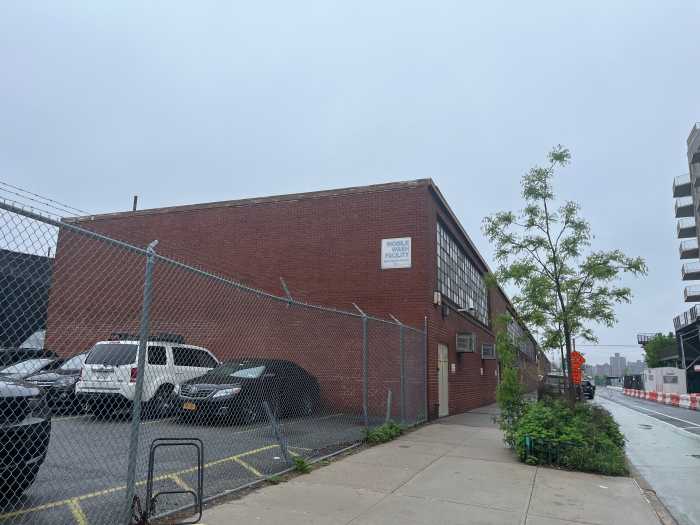
The concept is straightforward: relocate the MTA facility at 40 Quay St to a more suitable industrial location to free up the site for housing and open space. The value generated by the housing pays for the new MTA facility and the open space improvements.
Simple? Not quite. Think about the complexities: identifying a suitable private site in Brooklyn’s expensive industrial market, building a turnkey facility for the MTA, relocating operations, demolishing the existing structure, and remediating environmental issues—all before breaking ground on the housing that pays for everything.
When I first read the MTA’s 2019 RFP, I was skeptical that any developer could pull it off. Yet Gotham Organization not only met the minimum requirements but went far beyond in crafting a project that provides a level of public benefit unimagined by the original RFP.
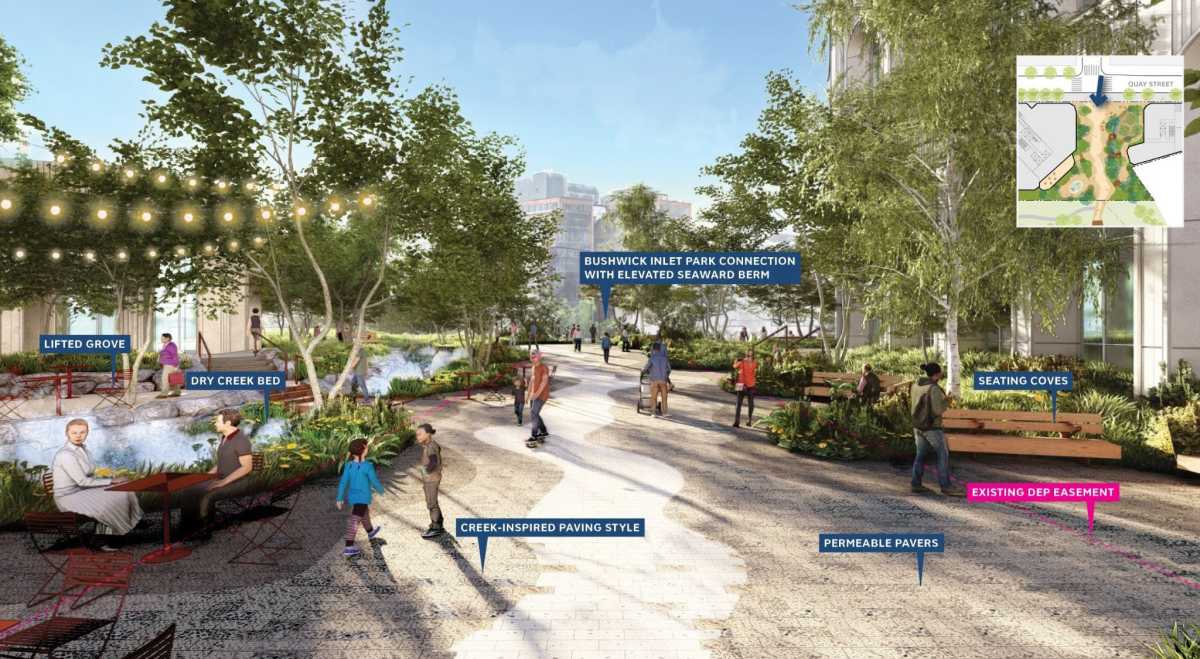
Gotham partnered with the Greenpoint Monitor Museum, which owns the land abutting the MTA site. For years, this group of local historians has searched for a way to create a physical museum commemorating the construction of the USS Monitor, a Civil War ironside ship built in Bushwick Inlet. By contributing their land to the project, they’ll finally generate the capital needed to build their museum. Their parcel will be opened to the public, creating a connection between Bushwick Inlet Park and the waterfront to the north.
The project makes significant investments in coastal resiliency and environmental restoration. The shoreline abutting the MTA facility and Monitor Museum property is badly compromised and constantly eroding. Untreated stormwater runs into the inlet, harming its ecology. Monitor Point will cure these conditions through a new bulkhead, on-site stormwater management, flood mitigation measures, and native plant species that restore the habitat.
But here’s the most remarkable part: instead of maximizing profit through 100% market-rate housing, Monitor Point proposes to dedicate 40% of apartments — 460 units — as permanently affordable housing. These apartments will have an average affordability of less than 60% Area Median Income, including family-sized homes that will rent for under $2,000/month. This is unprecedented affordability for a waterfront development in Greenpoint, where 2BR apartments often rent for $7,000/month or more.
The level of agility, vision, risk-taking, deal-making, and capital investment required is truly remarkable. This is something that could never be done by the public sector alone. Complexity of this magnitude requires public-private partnership with a highly capable and highly capitalized private partner.
As Monitor Point moves through ULURP, it’s being confronted by the opposition that’s become all too predictable when ambitious public-private projects are proposed. There are legitimate concerns, principally from those who feel betrayed by the growing affordability gap and the long-delayed completion of Bushwick Inlet Park.
But what those who would kill Monitor Point fail to grasp is that there is no Plan B for the massive amount of public benefit this project will unleash.
There is no Plan B for the MTA warehouse. Without Monitor Point, it will remain there indefinitely, blockading public access and continuing to pollute the community.
There is no Plan B for the Monitor Museum. Without Monitor Point, there will be no physical space to recognize this important piece of Greenpoint’s history.
There is no Plan B for waterfront connection north of Bushwick Inlet Park. Without Monitor Point, it will be a dead end.
Most importantly, there is no Plan B for 460 families who need affordable housing. Without Monitor Point, Greenpoint gets less affordable while residents continue to get displaced.
It’s time to recognize Monitor Point as the remarkable proposal it is: a complex and ambitious undertaking that delivers unprecedented public benefit through the power of public-private partnership. It’s time to honor Greenpoint’s history by building the Monitor Museum. It’s time to prioritize the 460 low-income families who will be able to afford to live on the waterfront.
It’s time to approve Monitor Point.
Scott Short is a 25-year veteran of affordable housing and community development work in Brooklyn and President of St. Nick’s Alliance CDC.