It’s not just the Nets, and it’s not just eminent That Ratner would pay handsomely to silence critics should never have Atlantic Yards opponents were thus precisely wrong in making eminent domain Brooklyn’s success — historically and today — is due in The soulless utopia Bruce Ratner would impose won’t please and won’t Ratner is certainly capable of adequately revisiting his design, and such
domain. Whether Bruce Ratner has his way with us, in transforming Brooklyn
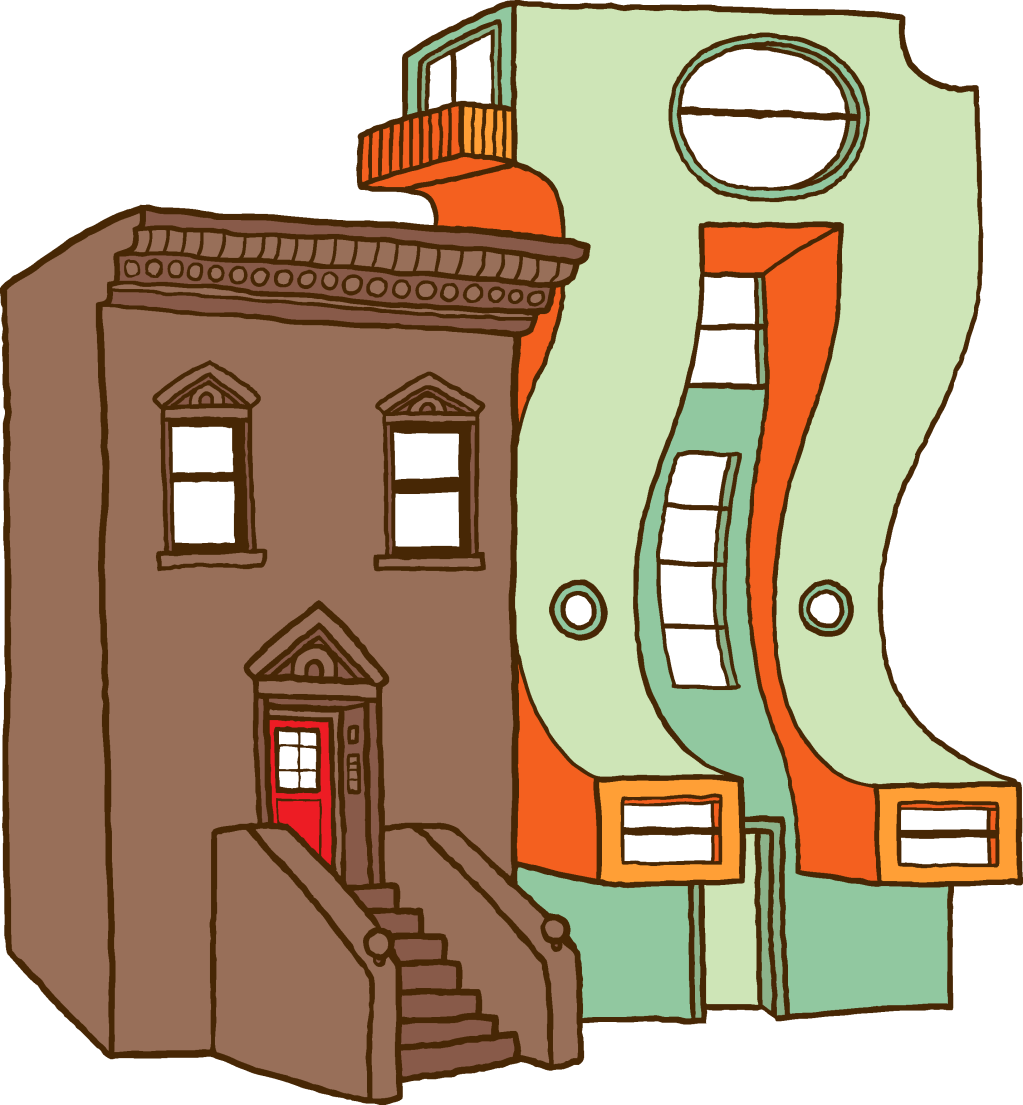
from its status as a perpetually evolving multi-textured urban quilt into
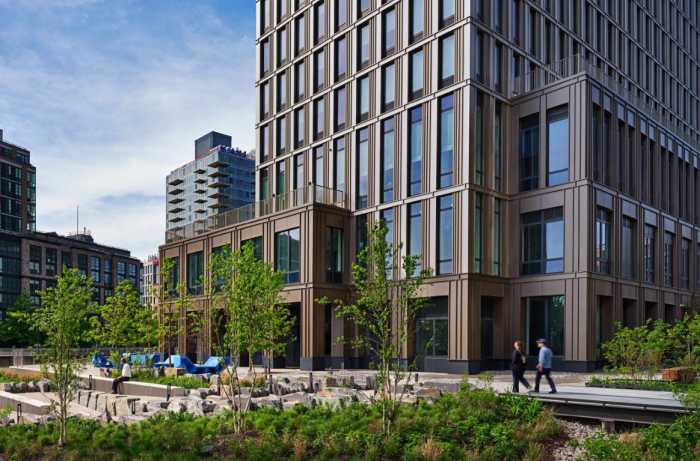
a sterile Manhattanized version of cul-de-sac suburbia, will depend more
on our collective vision than on our individual pocketbooks.
been in doubt. With the club of eminent domain in one hand and a checkbook
in the other, the homeowners on Ratner’s site would of course choose
to live in luxury somewhere else than sustain high-risk combat against
Empire State Development Corp. chief Charles Gargano and Gov. George Pataki.
the most apparent source of their discontent.
The larger issue, the communal one, transcends those living on-site and
even nearby.
large part to our having avoided the walled mega-block syndrome that is
Ratner’s tool to wealth. Neighborhoods prosper — and sometimes
decline in order to regenerate and prosper anew — organically; urban
renewal’s bulldozer is prosperity’s foe.
generate a widening swath of prosperity. For evidence, consider Metrotech
and its immediate environs; compare that massively subsidized dead zone
in our midst to what has happened throughout such Brownstone Brooklyn
neighborhoods as Boerum Hill and Carroll Gardens, just slightly removed
from that “urban campus.”
modifications would be welcomed here. But his track record doesn’t
offer much hope that he will.