Whether a terrorist attack, a massive flood or the swine flu, being prepared for an emergency is crucial.
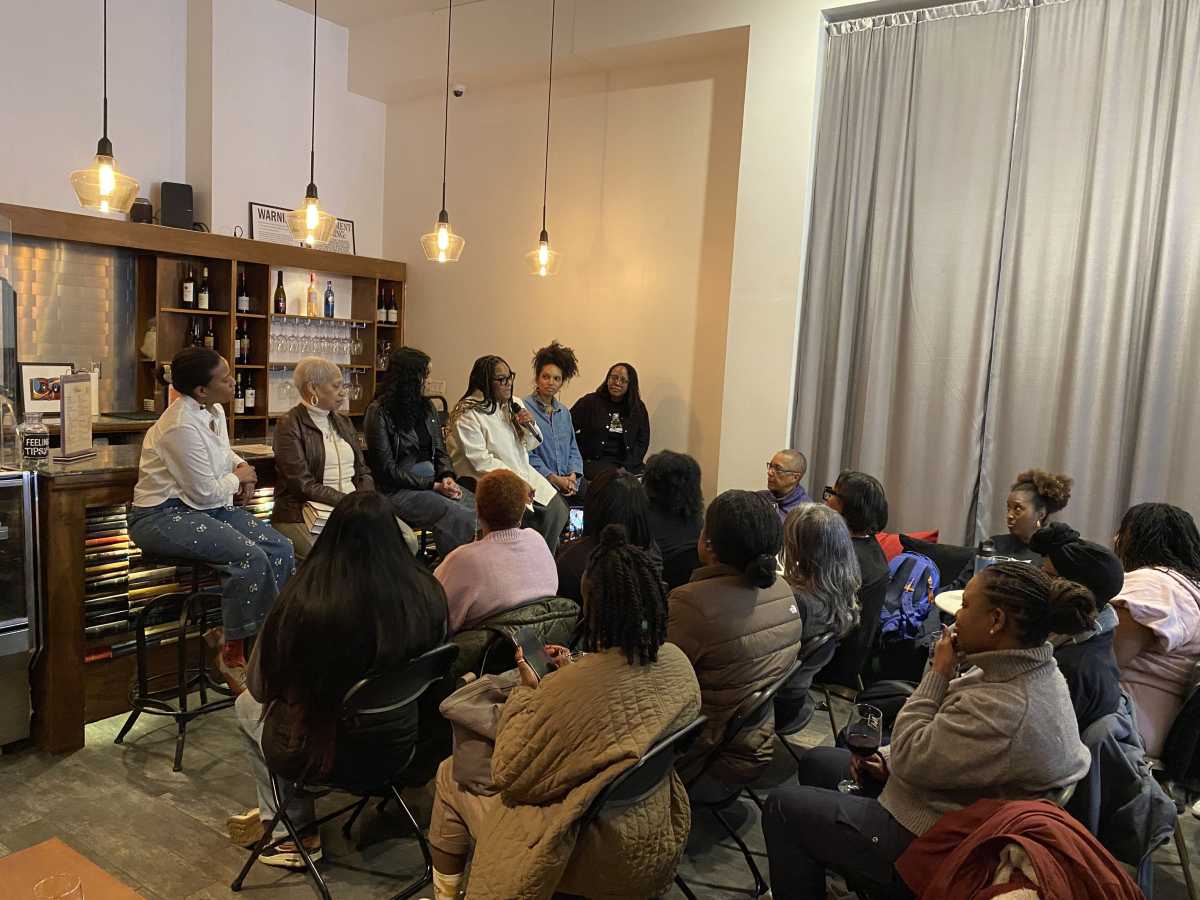
So said New York Red Cross representatives who came to the recent Dyker Heights Civic Association (DHCA) meeting to discuss individual preparation as well as to seek volunteers should disaster strike.
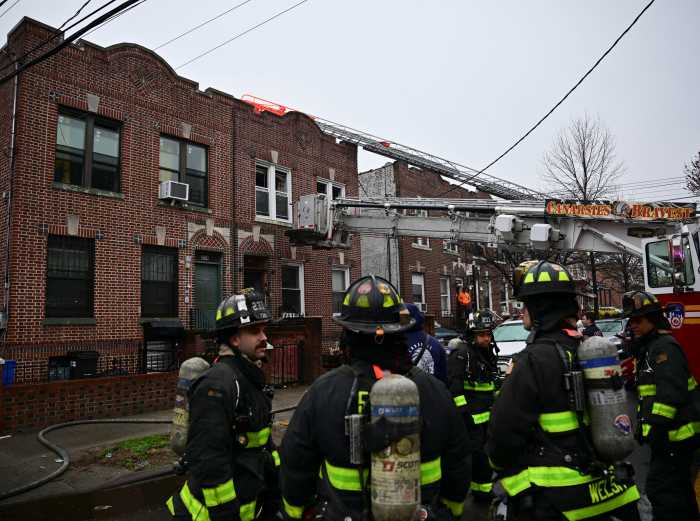
According to Red Cross statistics, the organization responded to some 344 fires in Brooklyn so far this year, while assisting 1,665 adults and children with food, shelter, and/or counseling following a disaster.
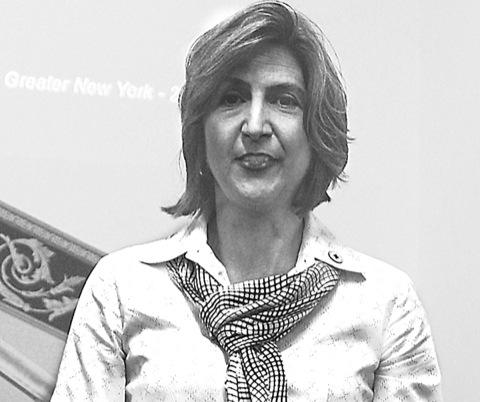
Denise Bloise, director of the Staten Island and Brooklyn area offices of the Red Cross, also explained how the organization needs more volunteers and offered tips on what do to prepare your family should a disaster strike.
The disaster plan should address evacuation plans and what to do if basic services such as water, gas, electricity or telephones were cut off.
Bloise pointed out that when a disaster strikes, your family could be anywhere – at work, school or in a car. Any emergency preparedness plan should addresses issues such as how family members would find each other, she said.
According to the Red Cross’s “Four Steps to Safety” plan, the first step is finding out what type of disasters are most likely to happen in your area. In Brooklyn, this could be major floods or a possible terrorist attack.
Residents are also urged to contact their local Office of Emergency Management or read the Red Cross Disaster Guides to find out about animal care after a disaster as pets may not be allowed inside all emergency shelters due to health regulations.
Residents should find out how to help elderly or disabled persons, and learn about disaster plans at the workplace, children’s school or daycare center, and other places where your family spends time.
The second step is to meet with family members and explain the dangers of fire, severe weather, blackouts and other emergencies. The meeting should also delegate responsibilities so the family works as a team.
The plan should include two places to meet in case family members become separated. This includes a location outside the home in case of a sudden emergency, like a fire, and outside your neighborhood in case you can’t return home.
The Red Cross also recommends an out-of-state friend or relative to become a family contact should a disaster strike, as it may be easier to call out of the area if local phone lines are overloaded or down.
The plan should also include a printed-out disaster checklist including emergency telephone numbers, knowledge of where the main turnoff switches are, adequate insurance coverage, smoke detectors and stock emergency supplies.
Bloise asked DHCA members to consider becoming Red Cross volunteers. It involves taking a one-day class to become certified, she said.
To learn more about being a volunteer or learn more about being prepared should disaster strike, log onto www.nyredcross.org.