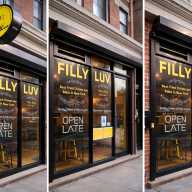
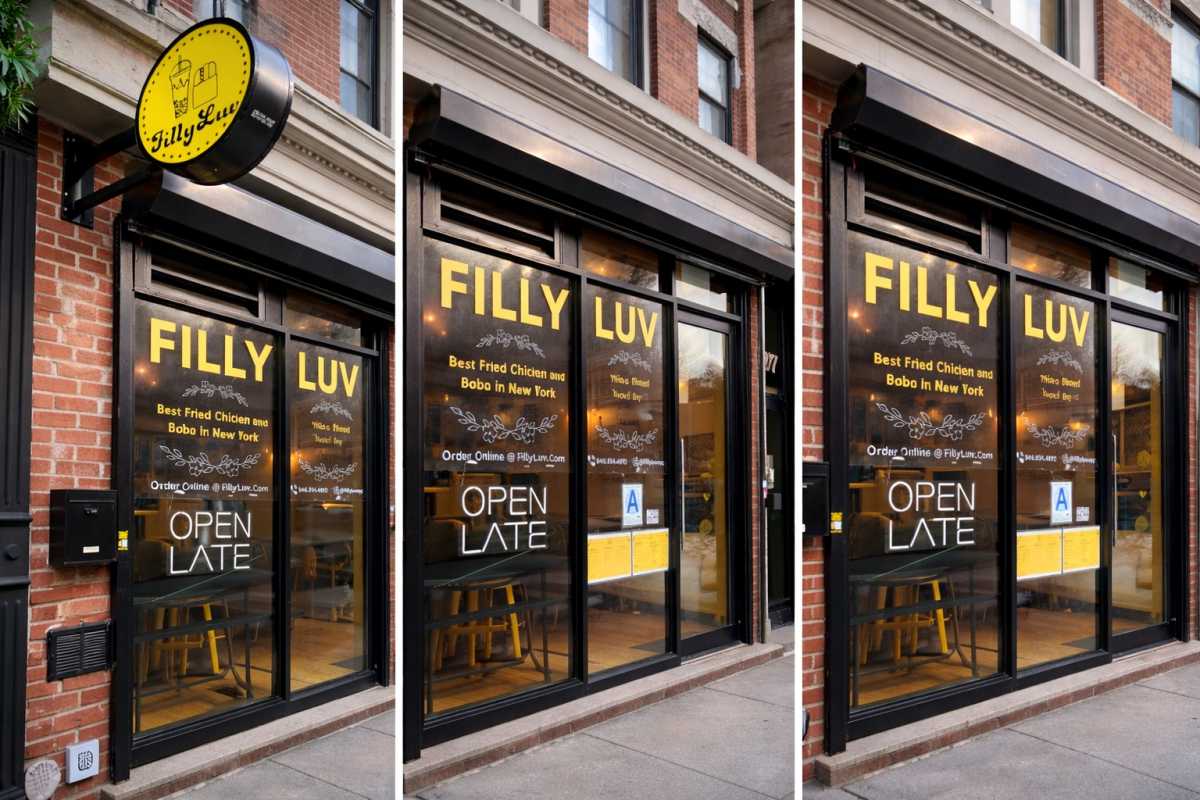
From coding to dropping chicken, Deja Bond, CEO and owner of Filly Luv, combined her love for food and tech to fulfill her dream of opening up a fried chicken restaurant located in the heart of Bed-Stuy.
Bond graduated from Spelman College in 2018 with a bachelor’s degree in Computer Science.
Following undergrad, she went off to New York University in 2020, where she became the first Black woman in university history to earn a Master’s Degree in Data Science. Bond previously worked as a product manager for a tech company called Flow Code while in school until she was laid off. This motivated Bond to invest all her time and energy into Filly Luv.
The name Filly Luv is a nod to Bond’s Philadelphia roots. She spells it with an “F” to reflect the restaurant’s motto: fulfillment through food and drink. For Bond, the mission goes beyond serving meals — she wants every guest to feel that sense of fulfillment and love with each bite.
“When you walk into Filly Love, we want you to feel the love,” Bond said. “We write ‘I love you’ on all the bags, so as soon as you walk in the door, the experience feels tailored.”
Filly Luv sets itself apart from other traditional chicken restaurants with its strategic reliance on consumer data and its signature flavors. Despite Bond switching industries, she still relies on tech strategies to reach new consumers and engage her audience.
“I think a lot of people assume I completely left tech behind, but that’s not the case,” Bond said. “[At Filly Luv] we use different integration systems to combine our data so we can understand our customer, for example, which platform is performing better — Uber Eats versus DoorDash — especially when it comes to deals and discounts. We also analyze who our users are in terms of age, race, and ethnicity.”
Filly Luv uses every piece of information about its customers and employees to help make smarter, data-driven choices. This data powers the decisions they make, from their inventory, cost of goods, labor, promotions and marketing. It even influences the menu.
Filly Luv focuses on chicken, bubble tea and fries, with a menu inspired by Korean flavors. Their chicken breasts are brined for 48 hours, triple-coated for a satisfyingly crisp crunch, and finished with rich, house-made sauces. The menu features eight different sandwich options, with the best-seller being the Perfect 2 — named because “everyone is perfect with someone,” Bond explained. The chicken’s hot honey and garlic seasoning, she said, creates a flavor pairing that’s simply unbeatable. The menu also includes a selection of wraps, tenders and nuggets.

She offers both fruit-infused teas and creamy milk-tea bubble drinks. On the fruit side, customers can choose from refreshing, fruit-forward blends built on a tea base. For milk teas, she features popular flavors like Dirty Brown Sugar, Taro Milk Tea, Thai Milk Tea, and Vanilla Chai.
Consumers can also choose from four fry options, including Honey Garlic Chicken Loaded Fries, spicy-sweet Mango Habanero Fries, and even fried pickles as a side.
Beyond Bond’s innovative business model, her faith and commitment to family have played a central role in Filly Luv’s success. Bond received immense support from her mom, dad, brother and uncles, but her grandmother was the one who really inspired this dream.
“When I was a little girl, I told her, ‘Hey Grandma, if you don’t open your restaurant, I’m going to open it,” she said. “I didn’t mean it literally at the time, but I think she made sure it came true.”
The love Bond’s grandmother poured into her now extends beyond her family and into the broader community, a mission she says drives everything she does and hopes continues long after she’s gone.
“When people ask me why I continue to do this, it’s not for me,” she said. “Philly Love will live beyond me, beyond generations. The goal is for it to make an impact — where families can say, ‘We take our kids here every Saturday,’ knowing they’re eating great food without a bunch of unpronounceable chemicals.”
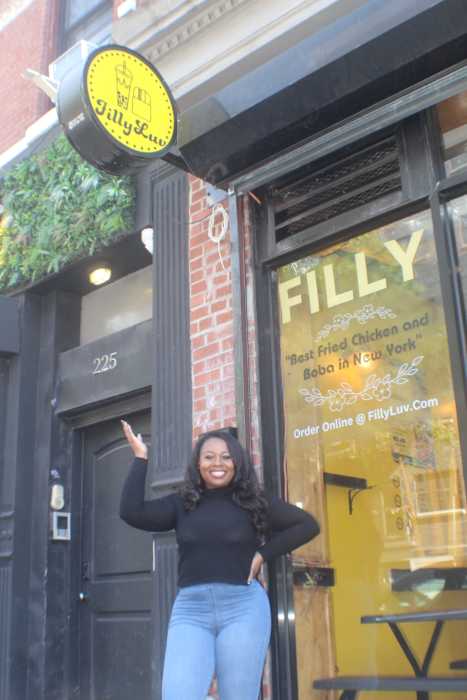
Although growth has come with long hours and mounting responsibilities, Bond says her faith and commitment to community continue to ground her. She is intentional about giving credit to God for the platform she’s built and strives to lead with transparency.
That sincerity resonates with customers — like the man who once called to ask whether the handwritten “I love you” on his takeout bag was meant just for him. When Bond explained that the team writes it on every order, he replied, “Well, love you too.” For her, those small exchanges reflect something bigger: that there is an emotional connection between her and the customer that turns a simple transaction into a meaningful relationship.
That same spirit of community showed up when the restaurant first went viral. Neighbors packed the store to support her, and one of them — her now-business partner, Cory Smith — literally stepped behind the counter to help during the rush. Together, they’ve expanded the business’s reach, growing catering partnerships and deepening Filly Luv’s roots in the neighborhood.
But Bond insists success isn’t measured by revenue alone. Giving back, especially to children and local schools, is nonnegotiable. “You don’t have to be wealthy to give,” she said. “You just have to do it.”
Filly Luv sits on the corner of Malcolm X and has been a part of the Black Business Association in Brooklyn for a few years. With other neighboring Black Businesses like Mac Shack, Natural Blend, Brooklyn Tea and Peaches, to name a few, Black culture is protected and highlighted in a community that has largely changed.
For Bond, being located on Malcolm X Boulevard carries weight.
“It used to be a predominantly Black and brown neighborhood. It’s not that way anymore,” she said. “It’s important that we maintain our presence so we’re not erased.”
Despite earning a master’s degree and building a growing business, Bond says she’s just getting started. Her message to young Black men and women is simple: bet on yourself. “You’ll take out loans to go to school and work a job to pay them back forever — but you’re scared to invest in your own business?”
She warns against getting distracted by social media illusions. “What you see on Instagram and TikTok is entertainment,” she said. “The people really building something aren’t constantly posting about it—unless it’s to educate.”
Bond is also intentional about sharing knowledge. Because many Black entrepreneurs don’t grow up with generational access to business ownership, she believes in being transparent about what she’s learned. She pays full price to support other businesses, offers advice freely, and believes community economics matter.
“This is how you pay people forward,” she said.
Filly Luv continues to serve all types of people in the Bed-Stuy community, spreading love and nourishment one bag at a time.