
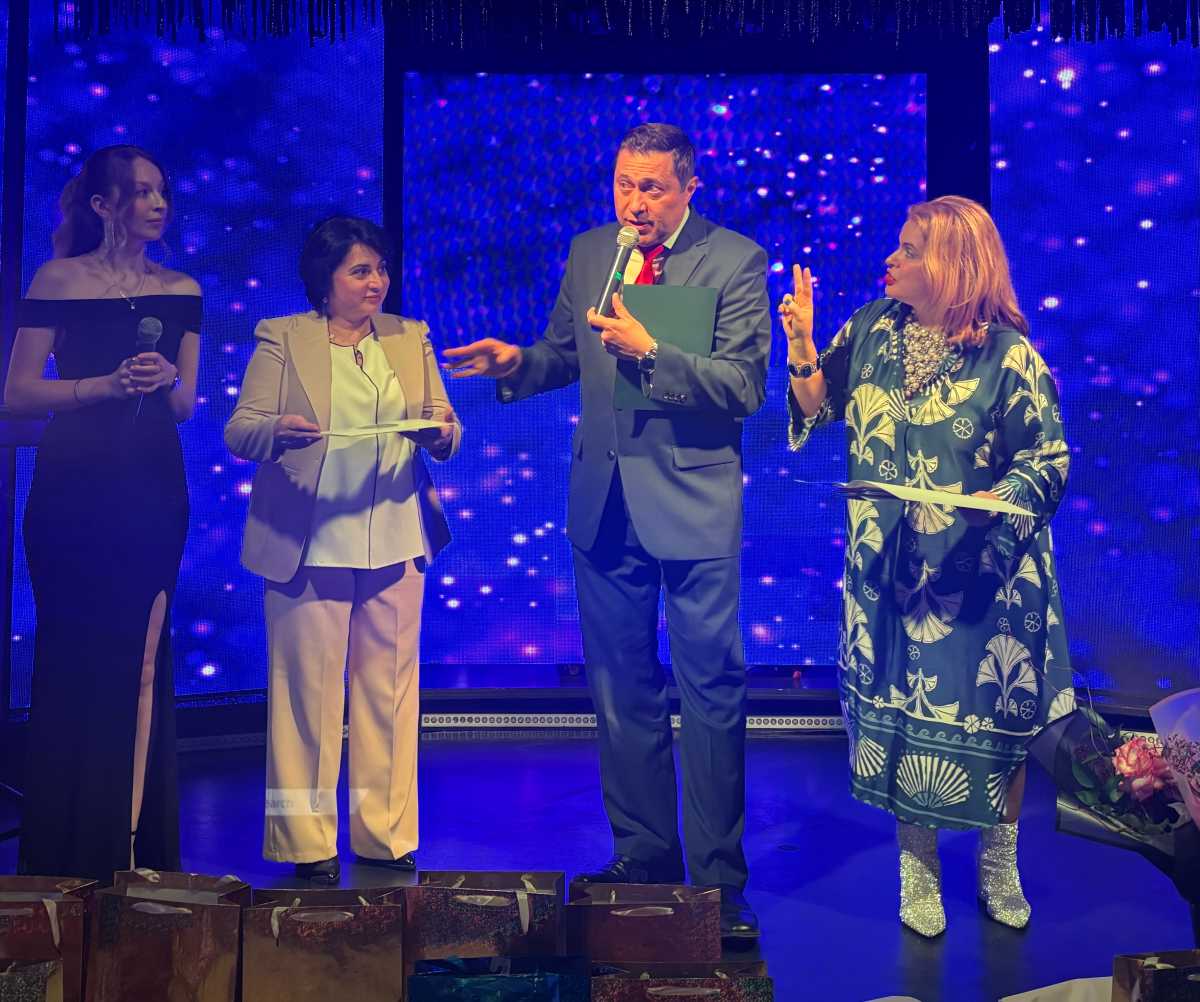
Under the sparkling chandeliers of Baku Palace, dozens of guests gathered for an evening of gratitude and purpose. Late last month, the ballroom glowed with warmth and unity as TraNa Relief Association, Inc. hosted its Third Anniversary & Thanksgiving Gala, marking three years of humanitarian work supporting lawful Ukrainian refugees and newly arrived immigrants from the former Soviet Union.
The night brought together elected officials, community leaders, sponsors, volunteers, artists, and the refugees whose lives have been transformed by TraNa’s mission since its founding in 2022.
Founded by Natalia Travilina, TraNa began as an emergency response to a historic crisis. Three years later, the organization has grown into a lifeline, offering housing assistance, legal aid, English education, art therapy, cultural programming, children’s services, walking tours, concerts, and 24/7 support through its Telegram channel. The gala honored that mission, the volunteers who sustain it, and the refugees whose resilience inspires it.
A ceremony rooted in tradition and emotion
The Nov. 24 event opened with the United States National Anthem, followed by the Ukrainian National Anthem, setting a tone of appreciation to the country that offered refuge and to the homeland many were forced to flee.
Travilina, serving as hostess, welcomed guests, speaking with a mix of strength and tenderness about TraNa’s journey. She shared the stage with professional translator Alyona Tanchak, a Ukrainian arrival and volunteer, who provided language support throughout the evening.
A short documentary followed, highlighting TraNa’s charity events, gatherings, and ceremonies. It traced the organization’s beginnings, the early chaos of resettlement assistance, and the countless families who rebuilt their lives with TraNa’s support. A major highlight was a delegation of 50 Ukrainian refugees, organized by TraNa, being recognized on the floor of the New York State Assembly in Albany.
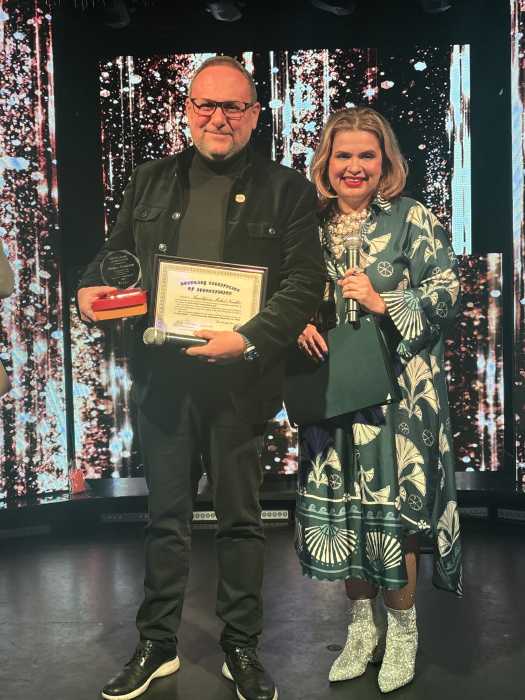
Assembly Member Michael Novakhov praised TraNa’s “compassion, dedication, and life-changing impact,” while Ari Kagan highlighted TraNa’s “passionate, successful help to thousands of refugees.” Many honorees reflected on how TraNa became a beacon for families navigating trauma, loss, and new beginnings.

Refugees then took the stage to share personal stories, recounting war, displacement, and the vulnerability of arriving in a new country with nothing but hope. Their words brought tears to many in the audience and reaffirmed why TraNa’s mission remains vital.
The program concluded with a deeply emotional moment as refugee women who had been helped by TraNa came onstage with flowers. One by one, they embraced Natalia, sharing stories of despair transformed into hope. Natalia, moved to tears, said little, overwhelmed by the tribute. The real-life journeys from war-torn cities to New York, marked by loss, resilience, and rebirth, underscore why she is determined to continue her mission — a mission made profoundly meaningful by the lives it touches.