Clarity and unity might be two things in short supply in Coney Island this week as yet anther grassroots organization has emerged to take on the city’s redevelopment plans.
Coney Island United – the new group taking up the challenge – says it is dedicated to preservation and enhancement of the greater Coney Island community, upgrading services for existing residents, updating the infrastructure and restoring Coney Island to its former glory as “America’s Playground for those of every means.”
In other words, basically the very same things another group called Coney Island CLEAR – Community and Labor Empowerment Alliance for Redevelopment – is advocating.
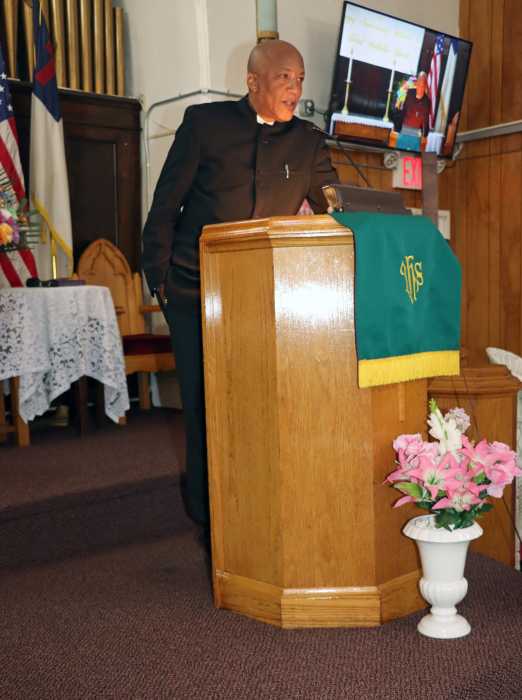
Some of the members of Coney Island United – including its chairman Reverend Connis Mobley –are also members of Coney Island CLEAR.
CLEAR held its last meeting inside Mobley’s United Community Baptist Church on Mermaid Avenue in June.
Mobley could not be reached for comment but Coney Island United’s vice-chairman Arthur Melnick – also a member of Coney Island CLEAR – says his new group is free of any “restrictions” on what it can accomplish.
“Clear is very good when it comes to jobs,” Melnick told the Bay News. “But there are many other aspects of Coney Island that they [CLEAR] just don’t have the expertise or ability to deal with.”
Other key members of Coney Island United include director of the Coney Island History Project Charles Denson, Major Meats proprietor James Prince and community activists Regina Mitchell and Brigitte Purvis.
Coney Island CLEAR’s Brian Gotlieb insists that there has been no “breakaway” and that Mobley is still part of his organization.
“We’re hoping that everybody can work together because it’s all focused on the same thing,” Gotlieb said. “As far as CLEAR is concerned, CLEAR is looking to be the lead group and that’s accomplished by working hand in hand with everybody else.”
Gotlieb denied that Coney Island CLEAR was under any operating constraints. Allusions to the contrary, he suggested, can be attributed to a “fear” among some in the community that CLEAR is pursuing a wholly labor-oriented agenda.
“A lot of that has to with the fact that, in the past, groups in all shapes and sizes have promised and they haven’t delivered,” Gotlieb said.
Melnick, meanwhile, dismissed any concerns that there are now too many Coney Island groups opposing the city’s rezoning and redevelopment plans.
In addition to Coney Island United and Coney Island CLEAR there’s shopkeeper and entrepreneur Diana Carlin’s Save Coney Island coalition.
“If you read carefully what each group is about, in reality there are not that many groups,” Melnick said. “Our group is all encompassing and we welcome everybody.”
Melnick calls the city’s plan to re-imagine Coney Island “unrealistic” and one that fails to “serve the people of Coney Island.”
Gotlieb wants the groups to work together in order to hammer out a community benefits agreement that “benefits the entire community.”
“From what I’ve seen, both organizations are effectively saying the same thing,” he said. “We’re two peas in a pod. I don’t look at it as a bad thing.”