Hundreds of millions of roses will be exchanged on Feb. 14. Yet Valentine’s Day’s most coveted gift carries an ugly legacy: an industry built on low costs and a high environmental footprint.
A handful of Brooklyn florists, however, are offering alternatives to the classic commercial rose. They believe seasonal flowers can make an even more meaningful Valentine’s Day gift by doing less harm to the planet while supporting local farms.
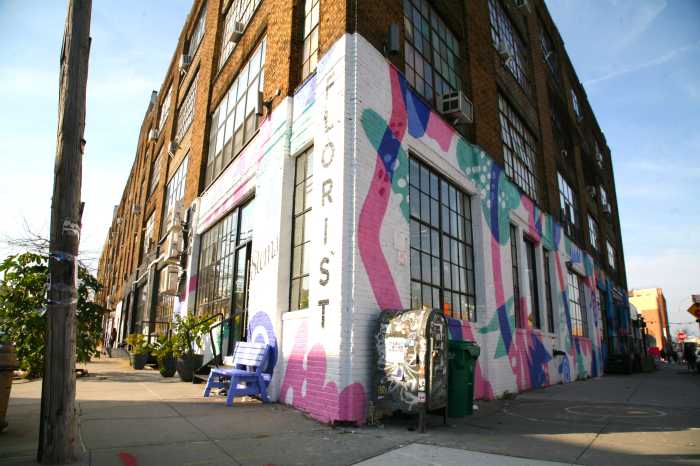
“I think about where things come from a lot,” said Suzanna Cameron, founder of Stems Brooklyn in Bushwick. Cameron pays attention to the journey any given flower makes from farm to vase and uses that information to decide which blooms to source for her customers.
“I think about the people that were growing them, who cut these flowers, who packed them, who put them in the truck, who put them in the airplane,” she said.
The majority of roses in the U.S. are imported from Colombia, where the flower is produced cheaply. From there, they embark on a fuel-intensive journey on refrigerated cargo planes before being put on display in flower shops across the country.
South America has a low cost of production due to large-scale operations, low labor costs, and minimal heating and cooling needs thanks to its favorable climate, explains John Dole, who teaches horticultural science at North Carolina State University.
While roses bloom in parts of the U.S. from late spring to early fall, “Valentine’s Day is in February, which favors the lower cost imported flowers, especially the long-stemmed roses we all love so much,” Dole said.

Demand for imported cut flowers is only growing. Agricultural specialists at Miami International Airport are already predicting a record-setting year for imported cut flower inspections ahead of Valentine’s Day, expecting to top last year’s record of 1.3 billion stem inspections.
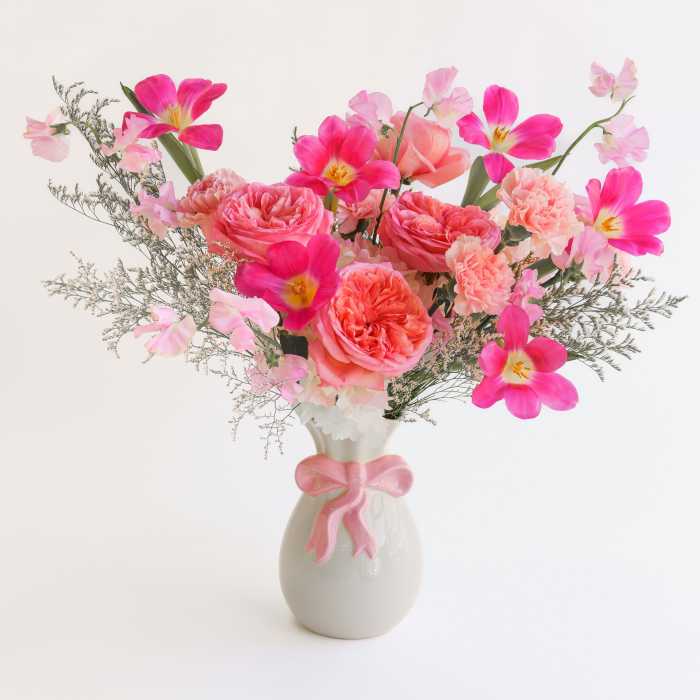
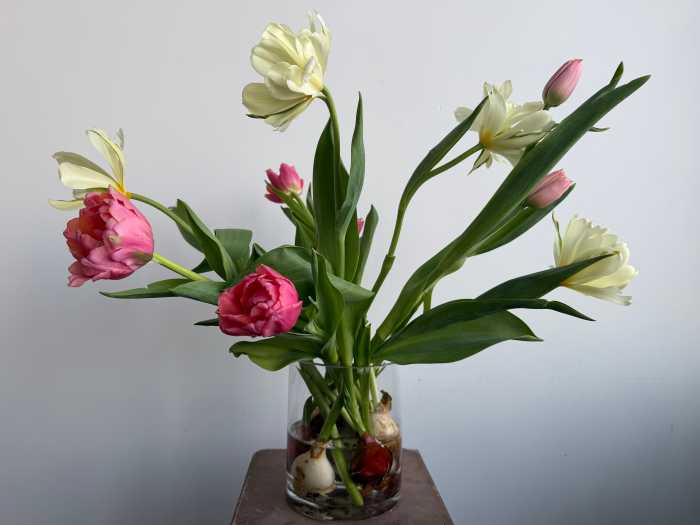
This year, Stems has decided to highlight an underrated but seasonal Valentine’s Day flower — the tulip. Through a campaign called “Kiss My Tulips,” Cameron is sourcing the flowers from a New York farm, drastically cutting the shop’s carbon footprint.
Julia D’Angelo of Fern Botanic in Astoria, Queens also sells seasonal bouquets and focuses on eliminating waste. She composts all floral waste, even from large-scale events.
D’Angelo draws a red line when it comes to working with floral foam, a water-absorbing block of plastic often used in floral design. The single-use material will “be in a landfill forever,” she said. It’s one reason she and several other florists are committed to foam-free arrangements.
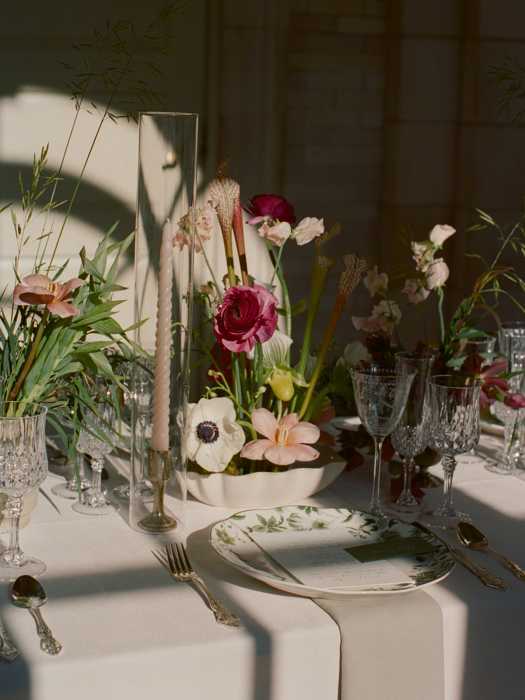
Floral foam is made of phenol-formaldehyde plastics, which break down into microplastics. The material’s toxic compounds are already finding their way into rivers and oceans and being ingested by aquatic animals, according to a 2020 study.
Bypassing foam hasn’t hurt business, D’Angelo said. “I don’t feel that we are hindered in our design capabilities at all.” Cameron of Stems agrees, adding that chicken wire works just as well.
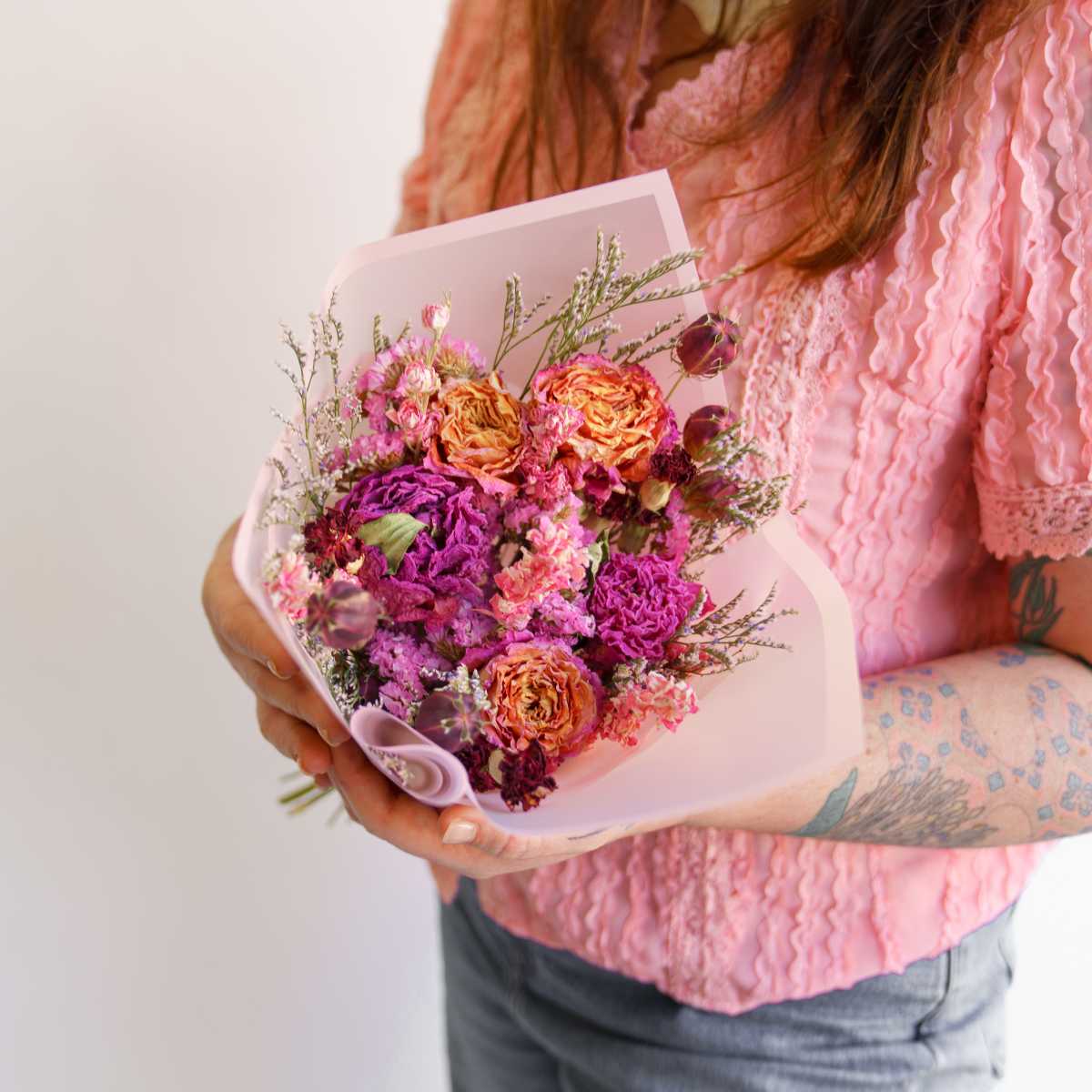
The arrangements produced by these sustainable shops sacrifice none of the color or beauty of a traditional bouquet. A floral arrangement from Molly Culver, owner of Molly Oliver Flowers in Sunset Park, features tulips, ranunculus and anemones — all seasonal to the Greater New York area this time of year. Her small business is dedicated to supporting local growers and purchasing seasonal flowers year-round.
Culver has extensive knowledge of soil science and agricultural practices, having studied organic farming at the University of California, Santa Cruz. She’s passionate about bringing people into the conversation around floral seasonality.
“If we’re going to heal the Earth and work in concert with it, then seasonality is a really big part of it,” she said. Part of that, she added, “is understanding that peonies just don’t want to bloom in December in our region.”
Dole said those looking to buy locally still have access to beautiful flowers this time of year. “There are a number of wonderful cut flowers that are grown in cool greenhouses or high tunnels in the U.S. with low energy costs during the winter,” including “gorgeous anemones, ranunculus, tulips, sweet peas, stock and more.”
Cameron and others agree sourcing local and seasonal flowers is an extension of the care and thoughtfulness they believe a Valentine’s Day gift for that special someone should carry.
“It’s always just been about sharing love and connection with all kinds of people,” Cameron said.