The term “the new Dylan” gets thrown around a lot, sometimes with success (Bruce Springsteen, Bright Eyes), other times prematurely (Jakob Dylan) — but, heck, let’s do it again: Frank Hoier is the new Dylan.
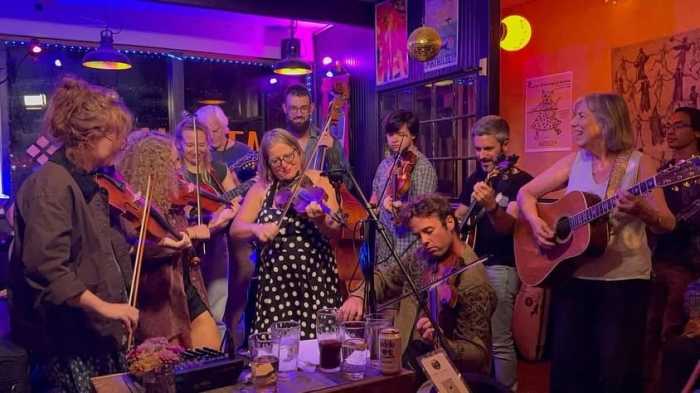
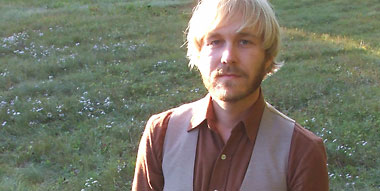
Here’s the evidence: 1. Hoier (pictured) came to New York City from California four years ago with nothing but a backpack, clothes and a guitar. 2. Since then, he’s spent his time soaking up blues and folk at the public library by day and singing at open-mics by night. 3. He has a great album out called “Lovers & Dollars” that has the whimsy of the early Dylan (“Jesus Don’t Give Tax Breaks to the Rich”), production values of The Band (“We Both Live in Brooklyn, Babe”) and dashes of Neil Young, John Lennon, Hank Williams, some Delta blues, skiffle, and some big band blues.
Since his arrival, Hoier has become a big name on the underground folk circuit — and a bridge between the anti-folk and traditional-folk camps (he’s in both).
Now he’s gearing up for two big December shows in Williamsburg — though still pays the rent by teaching guitar.
Hoier shouldn’t feel bad: Even Dylan once took a job as a Sanitation worker.
Frank Hoier at Union Pool [484 Union Ave. at Meeker Avenue, (718) 609-0484] on Dec. 7 at 8 pm; and Public Assembly [70 N. Sixth St. at Wythe Avenue, (718) 782-5188] on Dec. 23 at 9 pm.