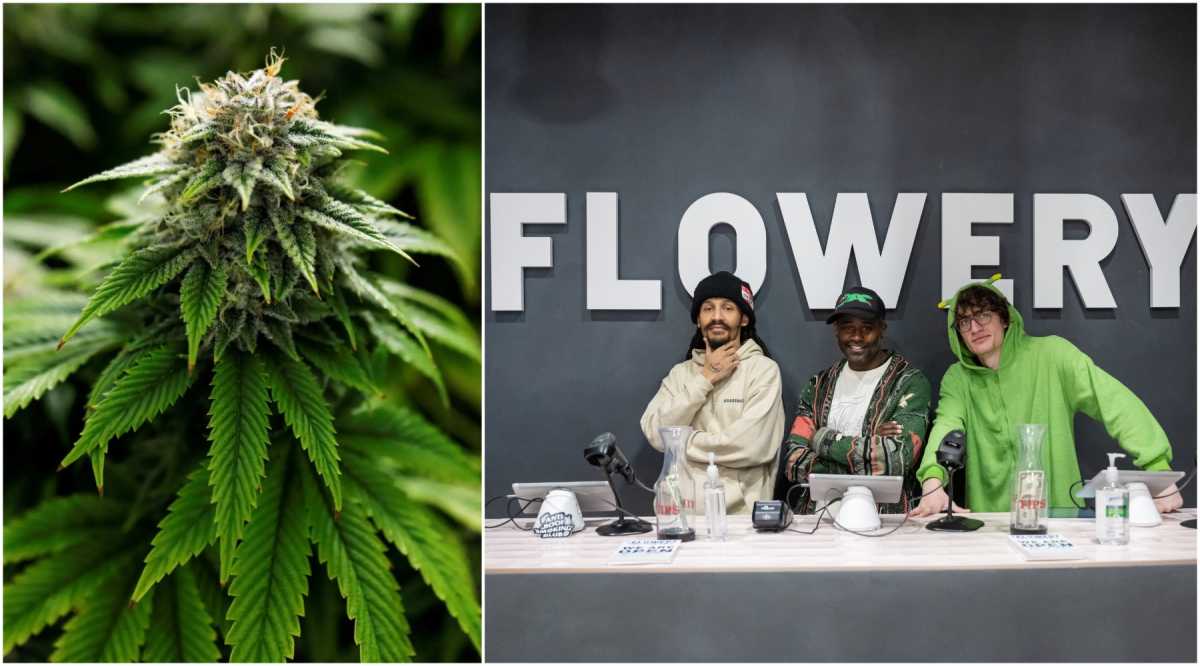
This 4/20, Brooklynites celebrated their favorite plant with everything from sunset yoga and weed festivals to a quick trip to one of nearly 80 legal dispensaries to refresh their stock.
But just a few years ago, Brooklyn’s legal cannabis scene was practically nonexistent. For decades, New Yorkers faced harsh penalties if they were arrested for smoking or possessing marijuana, and the state only rolled out its medical marijuana program in 2016.
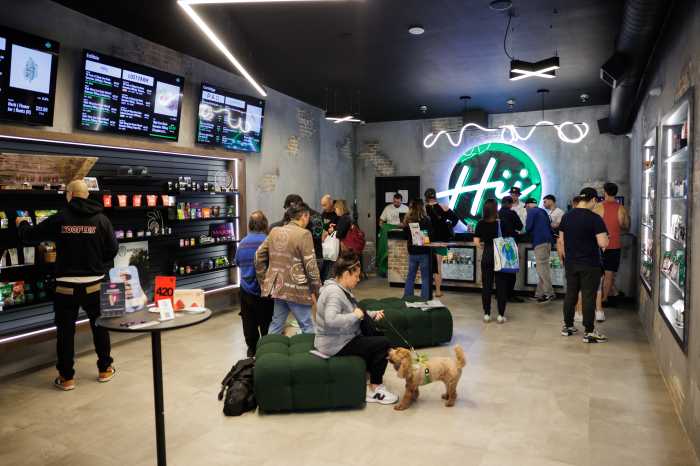
Court battles prevented legal recreational dispensaries from opening in Brooklyn until late 2023, more than two years after adult-use marijuana was legalized in New York State.
On this greenest of days, we’re taking a quick trip down memory lane and examining the history of marijuana in Kings County.
Crackdowns begin in the 1900s
New York City first cracked down on cannabis back in 1914, adding it to the list of “prohibited” drugs in an addendum to the state’s new Boylan Act, which required prescriptions for “habit-formimg drugs” like opium, morphine and heroin.
At the time, the New York Times reported that marijuana had “practically the same effect” as narcotics, though it hadn’t been as popular when the more intense drugs were easier to acquire.
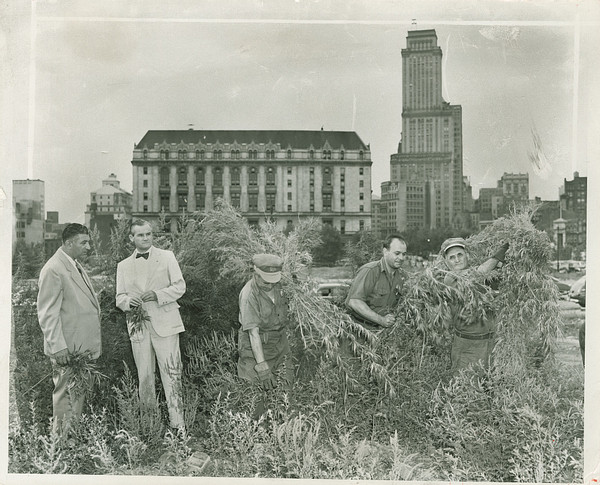
But the ban didn’t stop New Yorkers from growing weed. In 1951, the city set out to eradicate weed plants from vacant lots across the five boroughs.
In the span of a few months, DSNY workers recovered a massive 17,200 pounds of marijuana plants from Brooklyn alone, according to the Brooklyn Public Library. They cut down massive pot plants in Greenpoint and Williamsburg and slashed “farms” planted in Downtown Brooklyn.
Almost 30 years later, in 1977, New York made its first step toward decriminalizing marijuana, reducing penalties for possessing small amounts of the drug. Still, any possession “in public view” was a misdemeanor punishable by up to three months in jail. Hundreds of thousands of people continued to be arrested for nonviolent marijuana offenses, with Black and Latino people disproportionately targeted.
Then-mayor Bill de Blasio moved to reduce arrests further in 2014. The same year, then-Brooklyn District Attorney Kenneth P. Thompson announced that, in contradiction with existing city policy, his office would stop prosecuting most nonviolent, low-level marijuana offenses. Convicting defendants in those cases “does not advance public safety with fairness and justice,” Thompson said at the time.
Legalization begins slowly
The state rolled out its medical marijuana program in 2016, a year and a half after the Compassionate Care Act was signed. Brooklyn got its first medical dispensary, Citivia, in 2018.
In 2021, New York state finally voted to legalize recreational marijuana. Under the law, the first 150 licenses granted by the state would be issued to “justice-involved” people who had previously been convicted for marijuana offenses.
But the rollout of the program was long, slow and complicated. A lawsuit against the “justice-involved” provision prevented licenses from being granted in Brooklyn even as dispensaries opened elsewhere in the city.
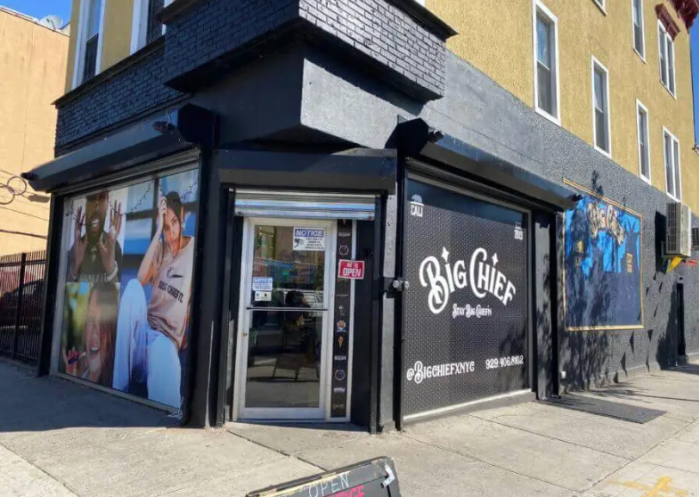
Taking advantage of what they saw as a legal and logistical “gray area,” unlicensed dispensaries grew bolder. Between the fall of 2022 and December 2023, state and city officials repeatedly raided Big Chief, an illegal dispensary in Bay Ridge, confiscating thousands of pounds of weed products and arresting two people.
Finally, in December 2023, Brooklyn’s first legal recreational dispensary, Grow Together, opened in Gravesend.
Dispensaries grow in Brooklyn
Since then, legal dispensaries have bloomed across Brooklyn. The Travel Agency became the city’s first legal cannabis shop to open a second location when it launched in Downtown Brooklyn in January 2024. The following month, then-mayor Eric Adams helped cut the ribbon on Matawana, the borough’s first Black woman-owned dispensary.
Now, there are almost 80 licensed dispensaries in the borough according to the state’s Office of Cannabis Management, like the father-and-son owned Verdi Cannabis in Park Slope and All Good in Flatbush, which focuses on locally-grown cannabis.
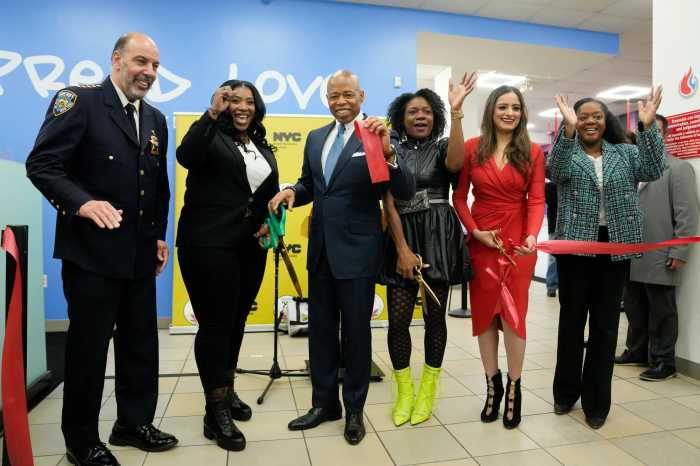
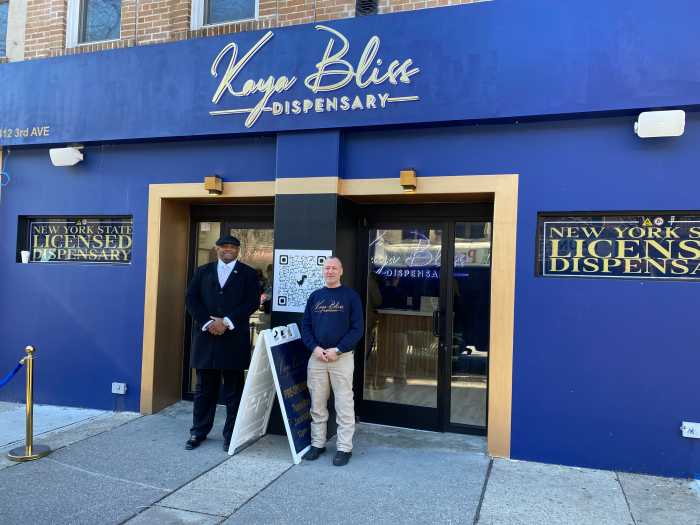
It hasn’t always been smooth. Kaya Bliss faced vicious backlash from the community as it prepared to open in Bay Ridge, despite adhering to all legal requirements. Last summer, the OCM corrected its previously agreed-upon rules related to the distance dispensaries had to be from schools, putting more than 100 shops in New York City at risk of closing, including two dozen in Brooklyn. The owner of Matawana, Leeann Mata, is locked in a legal battle with the nonprofit that helped launch her shop, Housing Works, which she alleges has taken advantage of her.
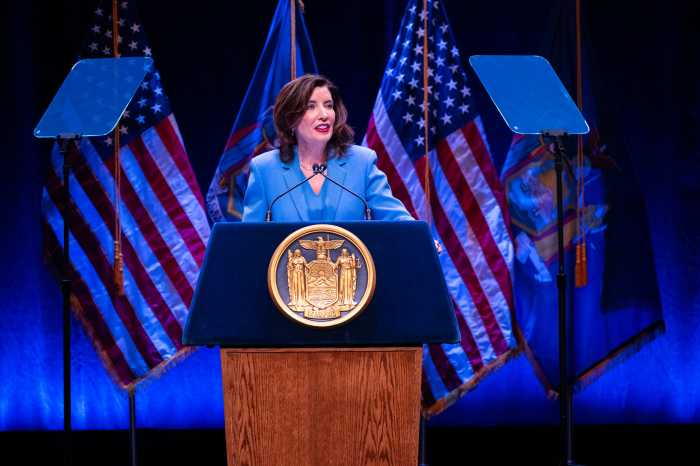
But, for most, things have settled down. Kaya Bliss managed to open in Bay Ridge last year, and celebrated its anniversary in February. Earlier this year, Gov. Kathy Hochul amended the law to allow existing dispensaries to stay where they are.
Brooklyn’s most recent addition, the second location of Hii Cannabis, opened in Bay Ridge just in time for 4/20.
Hii’s co-owner Peter Beznos said he has worked in cannabis advocacy for decades, a “calling” he said was “driven by belief that prohibition was wrong, that cannabis had legitimate medical and recreational value, and that the people who benefited most from criminalization were never the people who were actually hurt by it.”