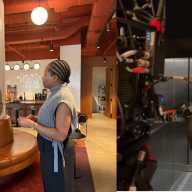

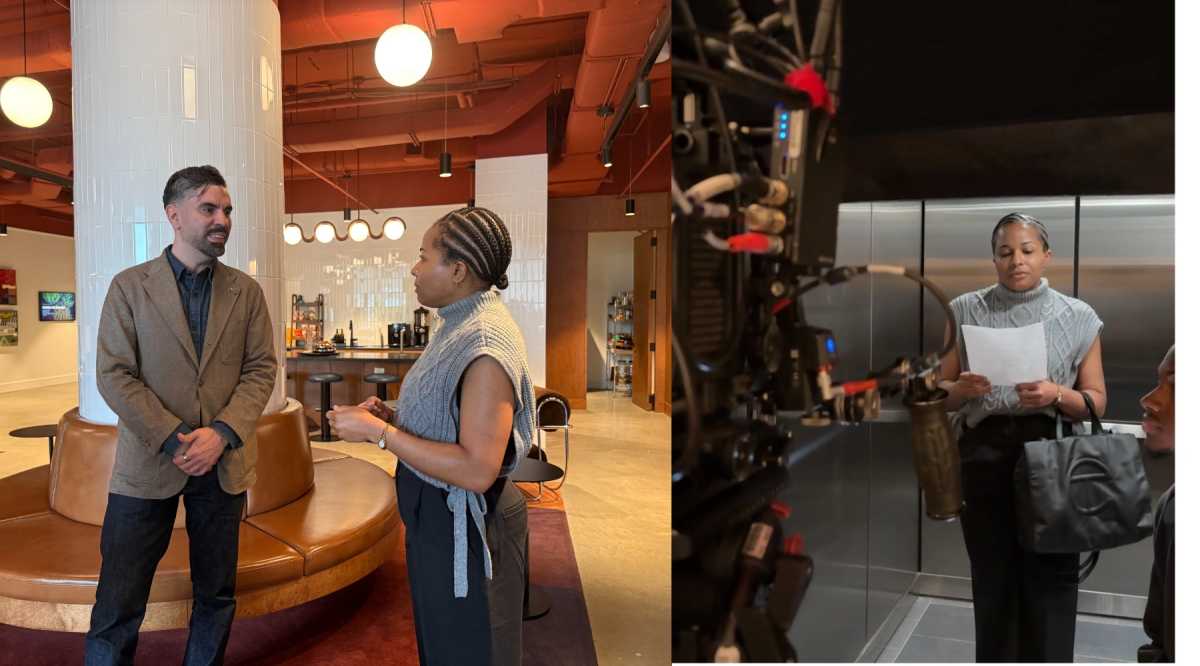
On a Gowanus film set, emerging filmmaker Amber Jesse stood surrounded by a crew of nearly 20 people, cameras rolling on her debut short film, “I Almost Forgot.” But behind the production itself was another story — one about the city’s growing effort to support independent and BIPOC filmmakers before they ever reach Hollywood.
The short film, produced through the incubator program at the Chelsea Film Festival, follows Amelia, an administrative assistant navigating the emotional and professional toll of unseen workplace labor. The three-day shoot ran from May 8-10.
“The film is really kind of about invisible labor and what that means — people that are working behind the scenes getting stuff done, but they’re not being recognized for it.”
As the story unfolds, Amelia spends the day attempting to secure a meeting with her boss while juggling constant office demands. By the film’s conclusion, the title itself becomes symbolic.
“At the end of the film, Amelia realizes she kind of almost forgot herself in a sense,” Jesse said. “So the title becomes a metaphor, and it’s also literal.”
For Jesse, the story evolved into something more personal during development.
“A lot of it I’m like, ‘Wow, this actually reminds me a lot of my mom,’” she said. “So that’s become a big process with everything, too. This is kind of a dedication to my mom and just anyone that feels like they’re doing stuff and they’re not being recognized.”
The project is part of the Chelsea Film Festival’s nine-month incubator program focused on supporting emerging BIPOC filmmakers. The “highly selective” program is “designed for storytellers with bold ideas, fresh perspectives, and a passion for pushing boundaries in film.”
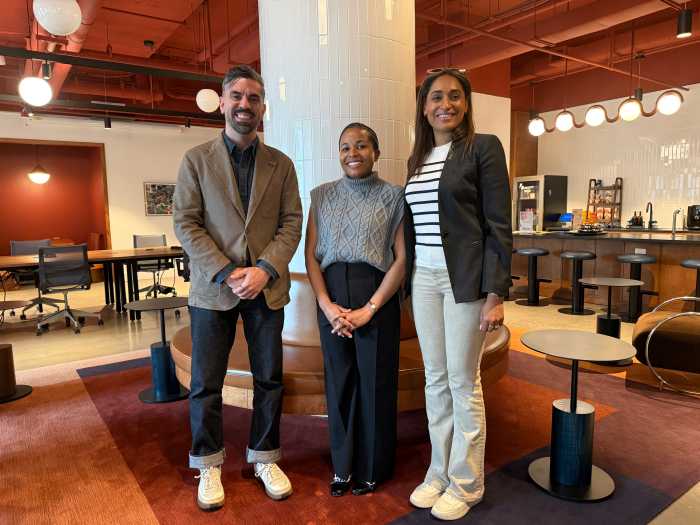
According to the Chelsea Film Festival’s director, Ingrid Jean-Baptiste, Jesse was selected as part of the 2026 cohort after impressing mentors and organizers throughout the development process.
“This is the fourth season that this initiative has been in action,” Jean-Baptiste said. “We’re very proud to have her because she is a very dedicated, very strong filmmaker.”
Jean-Baptiste said the incubator supports filmmakers through screenwriting mentorship, production grants, post-production assistance and eventually a world premiere screening at the festival in October.
“We need more emerging BIPOC filmmakers, especially at the screenwriting stage,” she said. “Now that it’s done, now that it’s shot, now that it’s edited, now it’s time to let it out into the world.”
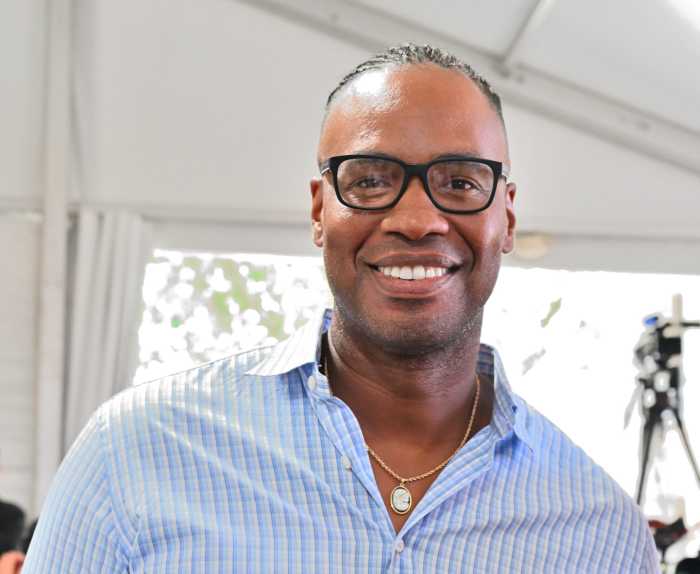
Backing the production is the New York City Mayor’s Office of Media and Entertainment, led by Commissioner Rafael Espinal, who visited the Brooklyn set during filming.
Espinal connected the film’s themes to the city’s broader economic priorities under the current administration.
“We measure the strength of our city’s economy not by how well corporations and companies are doing, but by how well the people who are actually producing the work are doing,” Espinal said. “Are they able to afford the rents? Are they able to buy groceries? Are they able to care for their families?”
The Mayor’s Office oversees film permitting across New York City while also funding programs and festivals designed to create opportunities for emerging creators. Espinal said initiatives like the Chelsea Film Festival incubator are essential because they connect filmmakers directly with industry access and membership.
“Anytime we invest in a film, we’re investing in our local economy because we are giving people work,” Espinal said. “It really is a full ecosystem.”
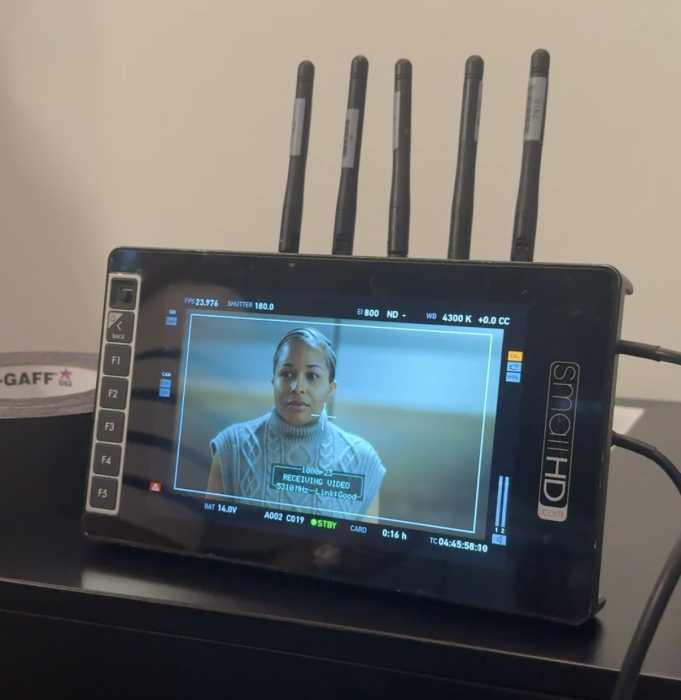
The production itself relied heavily on Brooklyn-based collaboration, local vendors and donated equipment support from AbelCine. Jesse’s crew shot the film using an ARRI Alexa Mini camera package while operating out of a local creative space in the borough.
For Espinal, who grew up in Brooklyn and once dreamed of becoming a filmmaker himself, seeing productions like this emerge at the grassroots level feels especially meaningful.
“I grew up wanting to be a filmmaker,” he said. “But programs like this just didn’t exist when I graduated college, and I just didn’t know how to get my foot in the door.”
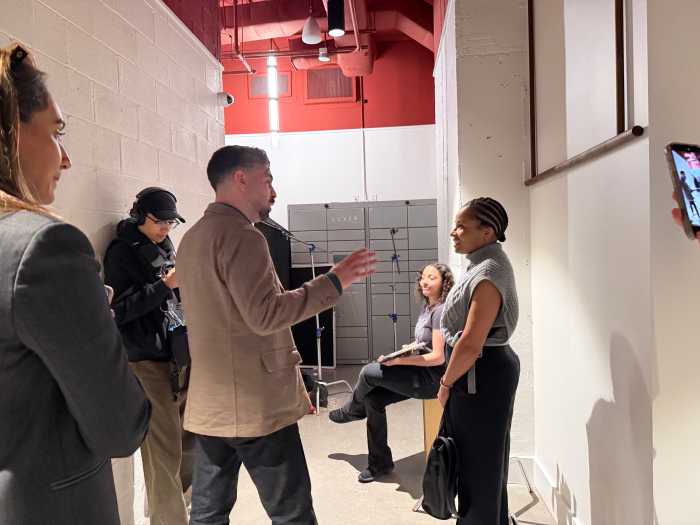
Espinal added that he did not direct his first professional short film until he was 40 years old.
“So it’s amazing to see younger generations actually have the opportunity while they’re still young and in their prime to make it happen,” he said.
Jesse said one of the most valuable parts of the process has been learning how to ask for support and trust her own creative voice.
“It really all starts with starting,” she said. “You have to start somewhere, start writing, start pitching yourself. And the worst that someone can say is no.”
“I Almost Forgot” will make its world premiere this October at the Chelsea Film Festival in Manhattan.